分类归档 jghj

Practicing Lucid waters and lush mountains are invaluable assets’s concept and striving to build a world-class tourist destination.

  Hunan Daily, March 29th (all-media reporter Deng Jing Xian) From 28th to 29th, Zhang Qingwei, secretary of the provincial party committee and director of the Standing Committee of the Provincial People’s Congress, investigated the development of tourism industry, red culture, rural revitalization, national unity and food safety in Zhangjiajie. He stressed that it is necessary to thoroughly study and implement the spirit of the Sixth Plenary Session of the 19th CPC Central Committee and the important instructions given by General Secretary of the Supreme Leader to Hunan’s important speech, thoroughly practice Lucid waters and lush mountains are invaluable assets’s concept, make good use of red resources, tell red stories well, work hard, and work hard to build a world-class tourist destination, so as to meet the party’s 20th victory with practical actions.

  Provincial leaders Xie Weijiang and Yang Haodong participated in the survey.

  In Hunan Gankun Biotechnology Co., Ltd., Zhang Qingwei has a deep understanding of food production, operation and processing flow, and encourages enterprises to find a correct position, strengthen brand building and expand market space. He pointed out that it is necessary to strictly implement the responsibility of food safety supervision so that the people can buy clearly and eat with confidence. When he came to Zhangjiajie National Forest Park, Zhang Qingwei listened carefully to the introduction of scenic spot operation and epidemic prevention and control, and demanded to strengthen the training of employees, give play to the role of party member cadres and Red Cross volunteers, optimize tourism services and management, and form a global tourism development atmosphere of "everyone participates and everyone benefits". In Tianmenshan National Forest Park, Zhangjiajie, Zhang Qingwei cordially communicated with the merchants in the scenic spot, stressing the need to increase the development of online and offline tourism projects, enrich the supply of tourism products, strengthen forest fire prevention propaganda, and ensure the safe and orderly operation of the scenic spot.

  Going deep into Hequn Village, Furong Bridge Bai Township, Sangzhi County, Zhang Qingwei walked into the villagers’ homes, talked with them about their family life and development, and told the local cadres and masses to know and feel the party’s gratitude and continue to struggle from generation to generation. He stressed that it is necessary to implement the strictest farmland protection system, improve the rural living environment, block the intergenerational transmission of poverty, and let the people pocket it. In Hongjiaguan Bai Township, Sangzhi County, Zhang Qingwei presented a flower basket to the bronze statue of Comrade He Long and visited the memorial hall and former residence of Comrade He Long. He said that we should learn from the revolutionaries of the older generation, strengthen our ideals and beliefs, strengthen our sense of purpose, carry forward the revolutionary spirit, build and develop the hometown of revolutionary ancestors, and be the "respondents" who are satisfied with the people.

  After listening to the work report of Zhangjiajie City, Zhang Qingwei stressed that efforts should be made to promote the normalization and long-term effectiveness of Party history study and education, vigorously carry forward the great spirit of party building, inherit the red gene, faithfully support the "two establishment" and resolutely achieve the "two maintenance". It is necessary to work hard to consolidate and expand the achievements of poverty alleviation and effectively link with rural revitalization, give play to the role of rural party organizations as leaders, cultivate characteristic industries, advocate civilized rural customs, and consolidate and promote national unity. It is necessary to make great efforts to run the first Hunan Tourism Development Conference well, see actual results, and actively explore new modes of tourism development under the condition of normalized epidemic prevention and control, so as to hold a meeting and prosper a city. It is necessary to make great efforts to coordinate epidemic prevention and control and economic and social development, see actual results, scientifically and accurately grasp various measures for epidemic prevention and control, do a good job in spring ploughing production, fully stimulate endogenous motivation, and accelerate the development of county economy. We must work hard to strictly manage the party in an all-round way, see actual results, strengthen the construction of work style, improve our ability and skills, and promote the improvement of social atmosphere with the improvement of party style and political style.

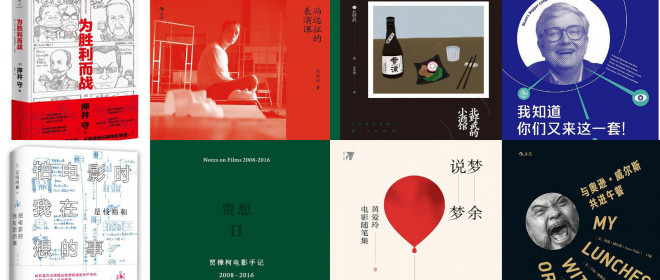
Jia Zhangke’s secret, Hollywood routine … This book list is so informative!


Special feature of 1905 film network While waiting for the cinema to resume work, it is better to read a movie book.


Xiao Dianjun specially recommended some Chinese film books published in recent two years. They are neither profound film theory nor serious film history or director research. These books are interesting, informative, relaxed and easy to read.


There are creative stories and mental journeys written by directors and actors, and there are also vicious jokes from filmmakers attacking their peers. This movie book list will open up or even subvert your previous understanding of movies.


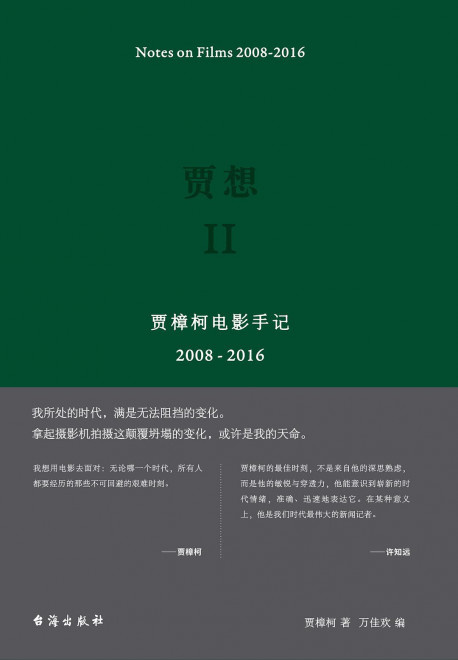
Jia Xiang II


If Jia Zhangke didn’t make movies, he would also be an excellent writer.


Jia Xiang II is a sequel to Jia Xiang I, which arranges his essays, interviews and speeches from 2008 to 2016, which is very readable.


His style of writing is gentle, his brushwork is delicate and his sense of language is good. "When the rain falls on the apple tree, the tree will grow and the fruit will mature. Tears fall on white paper, the script will be completed and the film will be born. It turns out that works are like plants and need water. " Jia Zhangke is an idealistic literary and art worker, both in movies and in writing.


In the article "Sorrow on the Upper Body", he lamented the emotional side of the past of youth, "I don’t believe, you can guess our ending" and his rational judgment on the sixth generation of directors … From these words, we can see that he has been thinking about the relationship between movies and the times and people.


In recent years, Jia Zhangke organized Pingyao International Film Festival and directed and starred in movies one after another. He also kept writing, and I believe that Jia Xiang III will be ushered in soon.


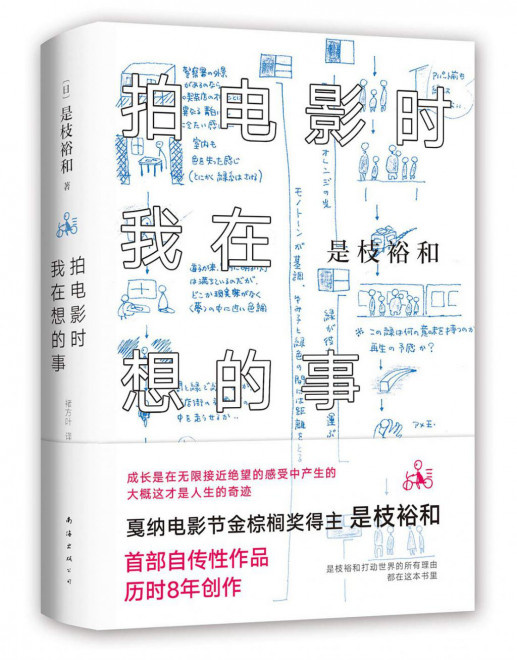
What I was thinking when I was making a movie


This is an autobiographical collection of essays by Japanese director Hirokazu Koreeda, which covers the behind-the-scenes creation of each work and his understanding of TV and film art, from his documentary shooting on TV to his film in 2016.


Why did Hirokazu Koreeda win the Palme d ‘Or in Cannes? This book is like a set diary, which can give you a glimpse of his path to success.


There is an interesting story in the book. Hirokazu Koreeda recalled an old story with his idol director Hou Xiaoxian.


When he made his first film, he shot it in strict accordance with the 300 shots he drew, and the film was well received after the premiere. When he met Hou Xiaoxian at the Tokyo Film Festival, he thought he would be praised, but he was criticized.


"Great technique. The question is, have you drawn all the shots before filming?" "Where is the camera? Shouldn’t we wait until we see the performance of the actors on the spot? You have made a documentary, you should understand? " Hou Xiaoxian’s words gave Hirokazu Koreeda a great impact, and he described them as "unforgettable".


After that, Hirokazu Koreeda never drew a split-mirror picture again, and the film style was completely different.


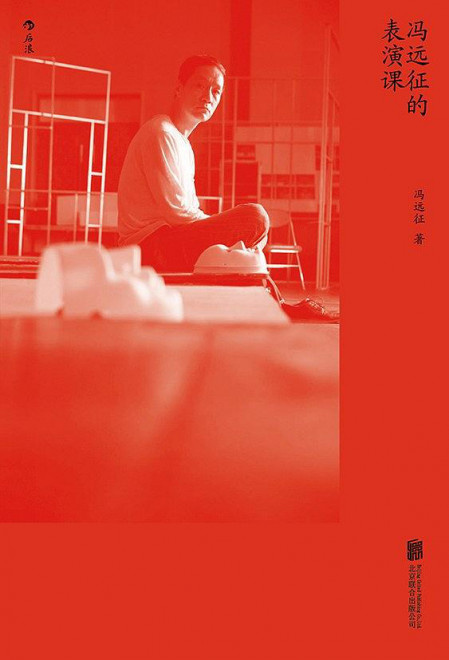
Feng Yuanzheng’s acting class.


When it comes to performance, we can’t do without the Steiner system and methodology, but do you know that there is another school called "Grotowski Performance"? Feng Yuanzheng is the earliest successor of this system in China.


The first part of this book is like Feng Yuanzheng giving a lecture, but it is not boring, but conveying what he has learned all his life to readers in an easy-to-understand way.


He introduced many fresh and interesting teaching practices, such as warm-up games, pronouncing words, and solving performance problems through physical stimulation … which is very enlightening for actors and interesting for those who don’t understand performance.


The last part of the book is Feng Yuanzheng’s analysis of the roles he played. An Jiahe, the "domestic violence man" in Don’t Talk to Strangers, has become a classic on the screen. "Understand him and find out the place to care for humanity and human feelings from him." This is what Feng Yuanzheng did to the characters at the beginning.


In the movie, Feng Yuanzheng deliberately showed his red nails. "Since I designed it, I will definitely make it appear in the camera and show it in front of the audience." This is the performance concept he followed.


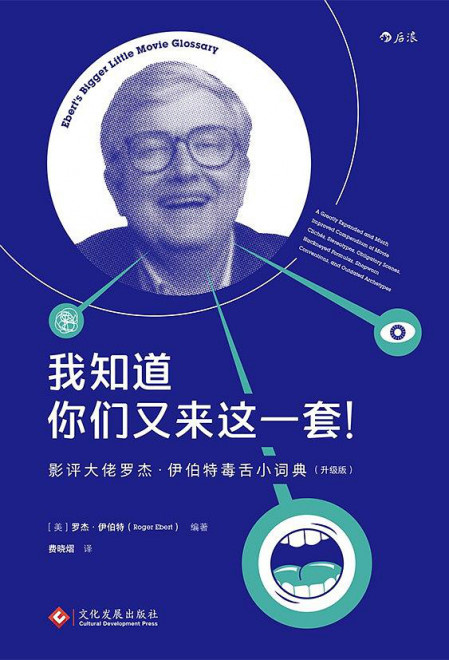
"I know you’re doing this again! 》


"Too old-fashioned!" Do you often sigh like this when watching movies?


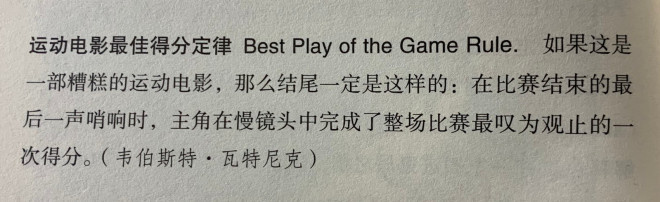
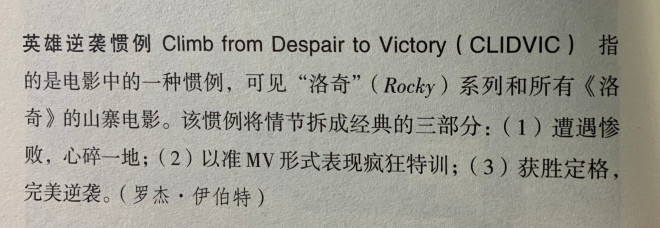
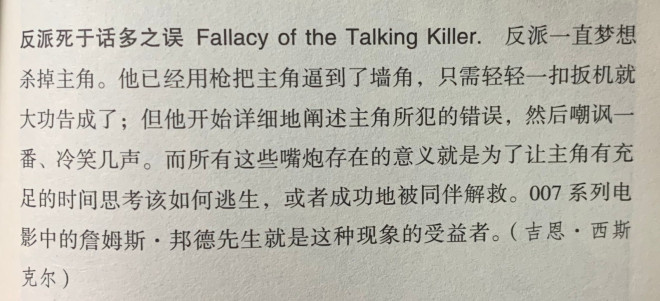
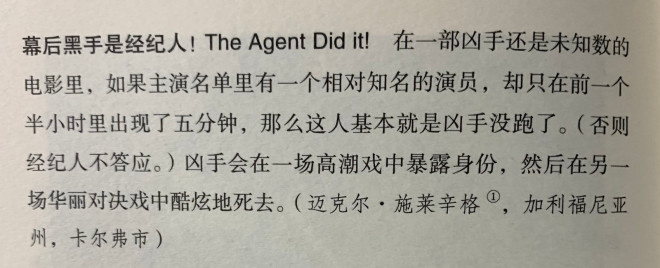
After reading more movies, you can gradually find out some routines in the movie. This book collects more than 1,000 bad customs that often appear in Hollywood genre films in the form of dictionary entries, including the summary of roger ebert, an editor and a famous American film critic, and the sharp humor of fans from all over the world.


Excerpts from the book


Classic series such as "007" have been ridiculed many times, and even Hollywood movies and even many domestic film and television works can’t escape these plot routines pointed out in the book.


The director recently revealed that Apple forbids the villains in the movie to use the iPhone, but if you read the book "Behind the scenes is the agent!" One, you can guess early that the murderer in "A Sword Drawn from its Sheath" is an "American team" with little drama in the first half.


Such as a film criticRaymond ZhouRecommended by: "For ordinary fans, this book seems to be a set of funny books that mercilessly ridicule movie stereotypes, and it is a parody comedy; But for film directors, it can be used as a warning manual to see if they have slipped into the ditch without knowing it. " 


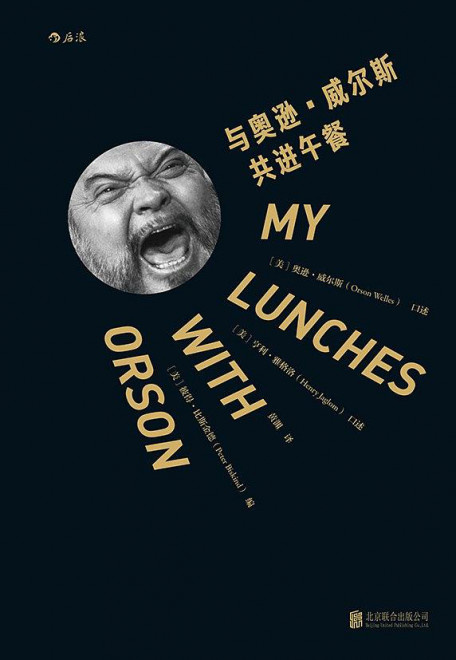
Lunch with orson welles


This is an interview with director orson welles, which recorded several private conversations with his close friend Henry Jaglom from 1983 to 1985.


As one of the greatest filmmakers in history, he directed and starred in films that made him gain infinite scenery.


But in his later years, he lived a miserable life. Due to the lack of an ideal producer and sufficient funds, the ambitious films such as Don Quixote, King Lear and Dreamer were all hindered until his death.


The dialogue in the book is also accompanied by Wells talking about the preparation of these films. Of course, the biggest attraction is his various revelations to the Hollywood film industry, his sharp words, and his criticism of a bunch of recognized classic films and famous filmmakers.


He didn’t like Hitchcock’s films made in America, calling them "bad movies" and "worse".


Charlie Chaplin is also outspoken, saying that he loves to steal the limelight. There are six writers under him, who plagiarized the authorship of his screenwriter in the film and greatly cut buster keaton’s scenes in the film.


It can also be seen from the dialogue that orson welles is a complicated and contradictory person, who is arrogant and worried from time to time. Just like his unfinished movie, when is the real him will always be a mystery.


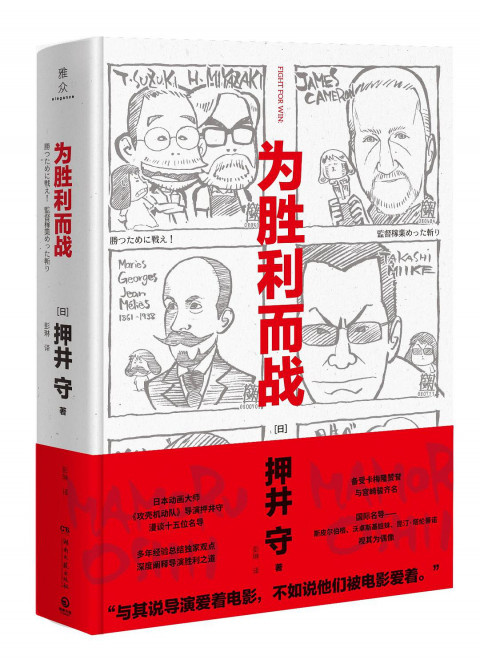
Fight for victory


Ghost in the shell.directorOshii MamoruLike Lunch with orson welles, it is also a private dialogue, but there is a core theme in the discussion process, that is, a set of "directors always win" that he upholds.


Mamoru Oshii rambled about dozens of famous film directors, and revealed the behind-the-scenes secrets of Japanese animation industry, so as to expound his methodology of victory. He said that one of the conditions for the director to win is that he can continue to make movies and reserve the right to make the next movie.


Although Miyazaki Hayao’s box office and reputation are both bumper, Mamoru Oshii thinks that he is not a winner, but an "infinitely unfortunate person". Miyazaki Hayao and toshio suzuki continued to cooperate, and they didn’t leave a retreat for themselves. They couldn’t surpass it in the future. If the box office of the new film is slightly worse than the previous one, it will be recognized as a failure by the outside world.


Similarly, the success of Harmony has made Cameron’s winning conditions higher and higher.


Mamoru Oshii also criticized the director as a businessman with no foresight. When he saw his first sentence, he asked, "Can you direct the animated version of The Matrix?" And he recognized guillermo del toro very much, praising him for never failing, not only keeping his original heart and going to Spain to shoot, but also avoiding directing some bad film projects in Hollywood.


Mamoru Oshii’s judgment was right, too. The director of "The Matrix" went downhill from then on, and Toro made it later, winning the Venice Golden Lion Award and the Oscar for Best Picture in one fell swoop.


Whether right or not, these personal arguments also provide a new perspective for everyone to see what is the director’s victory.


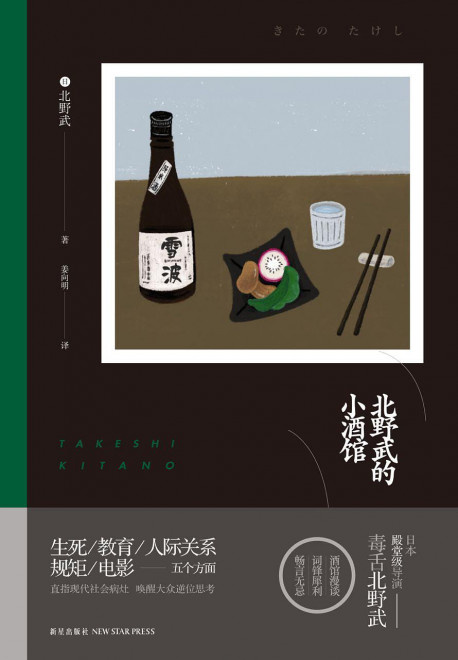
The bistro in Kitano Takeshi.


As the title suggests, reading this book is likeKitano TakeshiWhile drinking a little wine, I ramble with you. The truth revealed is tender and lovely, cunning and even self-explanatory.


Laughing and cursing is his unique philosophy of life, which brings together dialectical views on modern social problems.


Speaking of movies, Kitano Takeshi shared his meeting with Akira Kurosawa before his death, which was very touching. Kurosawa once wrote to him, in which he wrote: "The future of Japanese movies depends on you." Kitano Takeshi said that he would never forget this sentence in his life.


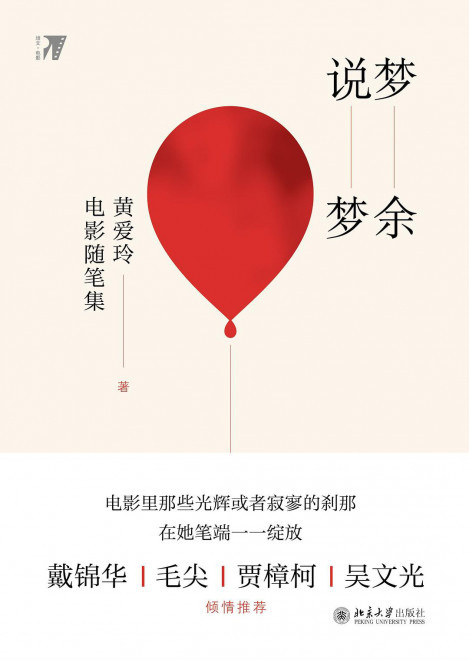
Dream after Dream


Compared with the uneven collection of film reviews on the market now, the film critic Huang Ailing’s Dream after Dream is more worth reading. Her words are all emotional expressions after mastery, and her writing is very simple, elegant, delicate and full of poetry.


Each article is only two or three pages and thousands of words. Often speaking of a movie will be associated with other movies that seem to be irrelevant, and every sentence points to the key points of the film.


The book mainly includes her comments on French films and Chinese films, and when she writes about what she likes, the content space is obviously increased. The comments on China’s early films are rich in historical materials.


"A good movie is to express feelings that words can’t express through images; A good comment is to restore the atmosphere contained in the image by words. " Jia Zhangke said that this is the case with Huang Ailing’s film reviews.


The first sentence at the beginning: "I am a natural wandering soul, and I can dream all day and night." For every movie fan, isn’t watching a movie a dream?


Hard-won green mountains and green hills

In recent years, the topic of survival and ecology has become a hot topic in the whole world. Protecting the ecological environment like protecting the eyes and treating the ecological environment like life have become more and more common understanding. June 5th is the 46th World Environment Day. This year, the theme of China is "Lucid waters and lush mountains are invaluable assets". CCTV launched a series of reports on "Hard-won Green Water and Green Mountains" to show the audience the changes in the ecological environment around the country through live footage.

From the Third Plenary Session to the Sixth Plenary Session: The CPC Central Committee Constructs the "Four Comprehensive" Strategic Layout

  The Sixth Plenary Session of the 18th CPC Central Committee was successfully held. The theme of the plenary session is to continue to promote the strict administration of the Party in an all-round way. The plenary session deliberated and adopted Several Guidelines on Inner-Party Political Life under the New Situation and Regulations on Inner-Party Supervision in the Communist Party of China (CPC). The theme from the Third Plenary Session of the 18th CPC Central Committee to the Sixth Plenary Session constitutes a clear clue, which is the gradual development of the "four comprehensive" strategic layout; Show a systematic program, which is the overall framework of the "four comprehensive" strategic layout. From the formation process, internal logic, overall planning, distinctive features, practical results and other aspects, it is of great significance to deeply understand the theoretical innovation and practical innovation of the Party Central Committee in governing the country since the 18th National Congress of the Communist Party of China, which will continuously push forward the China of Marxism and the realization of the goal of "two hundred years".

  One, "Four Comprehensiveness" embodies a high degree of unity between theoretical innovation and major decisions.

  Since the 18th National Congress of the Communist Party of China, the CPC Central Committee with the Supreme Leader as the core, proceeding from upholding and developing the overall situation of Socialism with Chinese characteristics, has been brave in practice and good at innovation, and has deeply explored the major issues of realizing national rejuvenation and promoting the governance of the country at a new historical starting point, forming a series of new ideas, new ideas and new strategies for governing the country. The series of important speeches by the Supreme Leader General Secretary is the latest achievement of Socialism with Chinese characteristics’s theoretical system and the concentrated expression of innovative theories since the 18th CPC National Congress. The "four comprehensive" strategic layout has established the strategic objectives and measures of the work of the party and the state under the new historical conditions, is the general plan of the party in governing the country under the new situation, and is related to the long-term development of the party and the country. It has provided an important guarantee for realizing the goal of "two hundred years" and realizing the Chinese dream of the great rejuvenation of the Chinese nation, and has an important position in the new ideas, new ideas and new strategies of the Party Central Committee in governing the country.

20150303082057361

  A distinctive feature of theoretical innovation since the 18th National Congress of the Communist Party of China is the high degree of unity between theoretical innovation and major decisions. From the Third Plenary Session to the Sixth Plenary Session, the decisions, suggestions and decisions made by the Fourth Plenary Session correspond to the "four comprehensive" strategic layout. The "four comprehensive" strategic layout is not only reflected in the series of important speeches of the Supreme Leader General Secretary, but also in the major decisions of the CPC Central Committee. It is not only a major innovation in the thought of governing the country, but also a major innovation in the practice of governing the country. The 18th National Congress put forward the goal of building a well-off society in an all-round way by 2020, which contains new target requirements and new social connotations. According to the time node, the outline of the 13th Five-Year Plan should be formulated in 2016, which is a key step to draw a blueprint for a well-off society in an all-round way systematically and scientifically. At the Fifth Plenary Session held in October 2015, the 13th Five-Year Plan proposal was discussed and adopted, and the development goal of building a well-off society in an all-round way was implemented as a development road map, which was refined into a detailed development table. Only when the reform is carried out and not completed can we achieve the goal of "two hundred years". Only by comprehensively deepening the reform can we strengthen the motivation and overcome difficulties. Only by driving the reform first can we promote the overall situation and break down obstacles. The Third Plenary Session of the 18th CPC Central Committee, held one year after the 18th CPC National Congress, made a timely decision to deepen the reform in an all-round way. Under the overall goal of improving the system and promoting governance, it launched the overall and in-depth war of reform.To promote the modernization of national governance system and governance capacity, we must regard the rule of law as the basic way of governing the country, and governing the country according to law is the common trend of modernization in all countries of the world. Therefore, the Fourth Plenary Session focused on building a socialist country ruled by law and made a decision to govern the country in an all-round way according to law. This is the first time in the history of the Party that a decision on the rule of law has been made. The country ruled by law, the government ruled by law and the society ruled by law have become the basic practice and universal practice in Socialism with Chinese characteristics. Our Party has a history of 95 years, more than 88 million party member, and has been in power for 67 consecutive years. It shoulders the historical responsibility of leading the people to realize national rejuvenation. How the Party’s self-construction is related to the future and destiny of the Party and the country and the fundamental interests of the broad masses of the people. The Sixth Plenary Session of the 18th CPC Central Committee is an important measure to further promote the new great project of party building, and it is to build a well-off society in an all-round way, deepen reform in an all-round way, govern the country according to law in an all-round way, forge a strong leadership core and provide correct leadership guarantee.

  Second, the "four comprehensiveness" reflects the logical fit between problem orientation and strategic layout

  The "four comprehensiveness" presents a closely linked strategic layout of governing the country with strategic objectives as the traction and strategic measures as the support. At the same time, the presentation and formation of this strategic layout is the product of adhering to the problem orientation, focusing on the prominent contradictions in China’s development and trying to solve contradictions. In the practice of governing the country, the General Secretary of the Supreme Leader unifies the law orientation and the problem orientation, makes major decisions according to the "three laws", formulates major policies, twists major obstacles on the road ahead, and makes great efforts to tackle key problems. The logic of problems naturally constitutes the logic of a system. Since the 18th National Congress of the Communist Party of China, the CPC Central Committee has unified new great struggles, new great undertakings and new great projects in the process of realizing the goal of "two hundred years" and carried out a new Long March. If you don’t smell the golden sands, you still have to rush into the rapids; If you don’t see the crossing of Dadu Bridge, you should also dare to cut off the pass and seize the pass. The "four comprehensive" strategic layout shows great strength under this practical background.

  From the strategic goal of building a well-off society in an all-round way, by 2020, China will achieve the first centenary goal of building a well-off society in an all-round way, and the "Thirteenth Five-Year Plan" period is the decisive stage, which is a key step to realize the Chinese dream of national rejuvenation. Development opportunities and risk challenges coexist. If we can’t deal with it well, or make systematic risks and subversive mistakes, it will delay or even interrupt the process of building a well-off society in an all-round way. Ensuring a decisive victory in a well-off society in an all-round way is the primary task of the overall work of the party and the state. Judging from the strategic measures of comprehensively deepening reform, after nearly 40 years of reform and opening up, the socialist market economic system has been basically established, but the shortcomings of the system and mechanism are still deeply rooted, and the deep-seated contradictions have not been fully touched. The solidification of interests has formed a difficult obstacle on the way forward. China’s reform is on the slope of tackling difficulties and overcoming difficulties. Deepening reform in an all-round way is an important barrier to promote Socialism with Chinese characteristics’s development and progress. Judging from the strategic measures of ruling the country by law in an all-round way, to achieve the goal of "two hundred years" and national rejuvenation depends on a sound and solid institutional foundation and a good and orderly governance environment. Socialism with Chinese characteristics’s system is still in the process of perfection, formation and maturity, and the modernization of the national governance system and governance capacity has a long way to go, especially the task of transforming from a society with a deep tradition of ruling by man to a society ruled by law is arduous. Establishing the rule of law as the basic way of governing the country is the institutional cornerstone for the sustainable development of the nation and the long-term stability of the country. Judging from the strategic measures of strictly administering the Party in an all-round way,The Communist Party of China (CPC) is an old party, a big party and a long-term ruling party, and it is the core of leadership to realize the Chinese dream. Long-term ruling is a severe and all-round test for the party, and all kinds of dangers faced by the party are realistic and urgent. To govern the country, we must first govern the party. If all kinds of negative and corrupt phenomena existing in the party’s own construction are not effectively eradicated, the party will not be a party or a country, let alone a national rejuvenation. Maintaining the Party’s advanced nature and improving its combat effectiveness are the political prerequisites for the country to be rich and strong and the people to have hope. Generally speaking, the "four comprehensive" strategic layout, using the basic logic of social and historical development, reflecting the inherent requirements of socialist modernization, focusing on solving the main contradictions in the development process and creating an all-round development trend in a new direction, is the way to consolidate the foundation, break the obstacles and prosper the national rejuvenation.

Ding Shizhao: Delivery value is the standard to measure the success of a project.

Dr. Harold Kozner, a master of project management, put forward that project management 2.0 is a management concept oriented to delivery value. "Project Management 2.0 will bring a subversive innovation to the industry." Ding Shizhao, founder of Tongji University’s Institute of Engineering Management, believes that Project Management 2.0 provides a new project management methodology that is more suitable for the current development of engineering construction, and is also an essential guide for project managers to deal with the complex and changeable project environment in the future.

From advocating project management in China in April, 1987, to spare no effort to introduce international and modern project management concepts, management models and management technologies into China for dissemination and practice, Ding Shizhao has been fascinated by the theoretical research of project management for more than 30 years, leading the progress of project management. The proposal of project management 2.0 also made him have a deeper and unique thinking on the development of the industry.

Goal Orientation: Value-driven Project Management

"The core task of traditional project management is to control investment, progress and quality as the goal, and such a goal is no longer in line with the law of social development." Ding Shizhao said that if a project meets the standards in terms of investment, progress and quality, it will not be a successful project if its benefits are poor after use.

The success of the project does not depend on whether the results are delivered and accepted by the relevant parties, but on the value perception and value recognition of the deliverables by the relevant parties when the project is delivered, and the value created by the deliverables for the organization and society after the project is put into operation.

Ding Shizhao told reporters that more often, the project is a strategic effort. The significance and value of the project are not limited to the deliverables at the end of the project, but more importantly, a project may still create future value throughout the life cycle after delivery. He said that Project Management 2.0 is a value-driven project management, not a goal-controlled project management. It takes whether to create value as the only criterion for the success of the project, which will have a far-reaching impact on the country’s economic construction and the reform of the construction industry.

Ding Shizhao took a large building as an example, saying that the project had a large initial investment. Although there was no quality and safety accident during the construction process and the project was delivered on time, all the indicators met the standards, it was put on hold after several years of use. It is inevitable that people will have doubts after investing a huge sum of money but not using it for a long time: have you done enough feasibility demonstration before the project construction? How to rectify and utilize idle resources?

Ding Shizhao believes that a project should be carefully demonstrated and scientifically judged before construction. Spending a lot of money on useless construction may win temporary praise, but it will not bring tangible help to the country and the local government. On the contrary, it may become a "burden" for development. Whether there is enough market demand, how to implement the matching funds, and whether it can develop and operate sustainably, etc., all of which need to be fully considered before the construction project. And this is the essence of the concept of Project Management 2.0.

Surprisingly: Realizing the Value of Sustainability

Scientific and technological progress has always been accompanied by major changes in management theory and practice while triggering industrial changes. To build a strong country, China must also develop a project management model that adapts to changes in the new era. Project Management 2.0 systematically puts forward a new concept of project management that faces the future and adapts to changes. Ding Shizhao believes that the development of project management from 1.0 to 2.0 is a breakthrough to lead the future development concept of project management, and it is also a surprising change.

Project Management 1.0 holds that a project must have clear objectives, such as time objectives, cost objectives and time limit for a project. Any project is carried out under certain restrictions, including resource constraints (manpower, financial resources and material resources, etc.) and artificial constraints, among which quality, schedule and cost objectives are the three main constraints that are common in projects. Project management 2.0 puts forward a set of delivery value-oriented concepts, that is, the project is the carrier of a set of sustainable commercial values planned to be realized, and the success of the project is to realize the expected commercial values under competitive constraints.

Ding Shizhao further explained that in the past, indicators such as being within the established scope, on time, and delivering with high quality within the planned cost were only intrinsic characteristics of value. Value measurement indicators should be established during business demonstration or project establishment, reached in stages during project delivery, and continuously reflected in product or service operation.

Project Management 2.0 concretely reflects whether the value is achieved through diversified measurement indicators, including the time to realize the value, the proportion of changes in key assumptions, the number of key constraints and net operating profit. Therefore, in any case, the ultimate goal is to realize the value of sustainability.

Without "positive", "odd" will not go too far; Without the "odd", the "positive" can’t be fully displayed. Obviously, as a task, an engineering project must have a clear goal. The ultimate goal of Project Management 2.0 is the benefit goal, while the three control goals of project 1.0 are actually the next level goals, which complement each other and transform each other.

The way to change: breaking through traditional thinking

Project Management 2.0 fundamentally subverts the traditional definition of project and the definition of project success under triple constraints, which is not only reflected in the breakthrough of ideas, but more importantly, the responsibility of project managers will be redefined, which requires breaking the traditional thinking.

For decades, the traditional view of project management is that if the project is completed and the triple constraints of time, cost and scope are followed, the project will be successful. However, Project Management 2.0 requires that the project manager should be more business-oriented. As the chief commander of the project construction, the project manager is the key to the success of the project. In the process of project construction, the project manager should not only manage the people, money and materials, but also manage the project coordination and progress. More importantly, he should create certain economic and social benefits after the project is completed.

Ding Shizhao said frankly that the role of the project manager should be changed from "the person who organizes experts to do things" to "the person who co-ordinates the value creation activities of interested parties" in a broader sense. How to build consensus among different interested parties and make interested parties truly integrate into the value creation activities of the project is the challenge faced by the project manager.

He believes that project management is a business process, not just a project management process. Project managers should not only produce and manage deliverables, but also take greater responsibility in business management.

"We should keep the theory of project management up to date forever." As an advocate and promoter of Project Management 2.0, Ding Shizhao hopes to spread the most advanced theories of international project management and use these theories to lead practice and promote the high-quality development of project management in China. This is his career here, and it is also the key to promote the reform and development of China’s construction industry.

Consolidate international consensus and promote human progress

  The the State Council Press Office recently released the A Global Community of Shared Future: China’s Proposals and Actions White Paper, which comprehensively introduced the ideological connotation and vivid practice of building a community of human destiny. International people interviewed by this reporter pointed out that building a community of human destiny is in the common interest of all mankind, and the practice in the past 10 years has achieved fruitful results, which has solidly improved people’s livelihood and well-being. The international community should work together to build a community of human destiny and contribute to the development of all countries and the progress of human civilization.

    Insight into the development law of human society

  The white paper emphasizes: "Only when the overall destiny of mankind is taken care of can the bright hopes of every country, every nation and everyone be realized." In the face of the deepening global peace deficit, the expanding development deficit, the increasingly prominent security deficit and the more severe governance deficit, cooperation and mutual benefit are the only correct choices.

  In the past 10 years, the concept of building a community of human destiny has been continuously enriched and developed. From 2013, when the Chairman of the Supreme Leader first proposed it at the Moscow Institute of International Relations, to 2015, when he proposed the overall framework of "five in one" at the general debate of the seventieth session of the General Assembly, and then to 2017, when he proposed the overall goal of building "five worlds" at the United Nations headquarters in Geneva, the ideological connotation of the concept of a community of human destiny has been continuously deepened and expanded.

  "This concept is rich in connotation and far-reaching, which is related to the common future of all countries and brings hope and strength to promote human peace and development and build a more prosperous and beautiful world. It has been widely recognized and supported by all countries." Sergei Savinsky, a senior researcher at the Institute of Finance of the Russian Ministry of Finance, said, "Today’s world is facing many global challenges such as climate change and food security. The practical significance of building a community of human destiny has become increasingly prominent, and more and more countries have deeply realized the unique value of this important concept. Only by strengthening coordination and cooperation can we achieve common development and prosperity. "

  "Human progress cannot be separated from the guidance of advanced ideas. The greatness of the concept of building a community of human destiny lies in breaking the historical limitations, truly understanding the development law of human society, and embodying deep thinking on the future and destiny of human society. " Willem Pachaunppadi, director of the Thailand-China Belt and Road Research Center, said that in the past 10 years, from the Belt and Road Initiative to the global development initiative, global security initiative and global civilization initiative, China’s initiatives and actions have made the vision of building a better world deeply rooted in the hearts of the people.

  Ruslan Kenzhayev, deputy editor-in-chief of People’s Speech in Uzbekistan, said that the development prospects of all countries are closely linked. Historical experience has proved that no country can resist transnational threats such as epidemics, natural and environmental disasters alone. The international community should be aware of the necessity of unity and cooperation to jointly meet challenges. China put forward the idea of building a community of human destiny, calling for abandoning protectionism, insisting on openness and tolerance, and establishing a partnership pattern of treating each other as equals, mutual business and mutual understanding, which is conducive to maintaining world peace and promoting common development. China is always willing to share development achievements and experiences, and bring opportunities for the development and prosperity of other countries.

  Marvao Sudaha, President of the International Association of Friends of China, a Jordanian Arab writer and journalist, said that mankind is facing more and more global challenges and needs to work together to deal with them. The concept of building a community of human destiny conforms to the trend of the times and the historical trend, and will open up a bright future for common development, long-term stability and sustained prosperity for human society.

    Advocate mutual learning and friendly exchanges.

  "Inheriting Chinese excellent traditional culture", "Embodying the Communist Party of China (CPC)’s world feelings", "Carrying forward the fine diplomatic tradition of New China" and "Accepting the outstanding achievements of human civilization", the white paper points out the historical and cultural soil for building the concept of a community of human destiny, vividly revealing the long-standing historical heritage, distinctive imprint of the times and rich humanistic connotation of this concept.

  A few days ago, at the opening ceremony of the Asian Games in Hangzhou, Chinese Millennium civilization and modern technology complemented each other, and China elements and Asian customs complemented each other, showing the world a pluralistic, inclusive and equal Asia. Mohammad arif Siyami, a reporter from Malaysian National News Agency, was deeply impressed by the scene of "digital torchbearers" lighting the torch gathered by more than 100 million people around the world. He said that the Hangzhou Asian Games is a stage to show the peace, unity and friendship of mankind, a vivid practice to promote the building of a community of human destiny, and a platform for Asian athletes to learn from each other and have friendly exchanges, which is conducive to the vigorous development of sports in Asia and even the world.

  Each has its own beauty, the beauty of beauty, the United States and the United States, and the world is one. The exchange, dialogue and harmonious coexistence of different civilizations have injected spiritual impetus into promoting the building of a community of human destiny. Nammar Silva, the Sri Lankan broadcaster of the Hangzhou Asian Games, said: "This Asian Games is an important platform for participants from all countries to promote exchanges, enhance friendship and strengthen unity. It contains a number of Asian-specific sports, which is an important manifestation of the exchange of mutual learning and the joint efforts to build a community of Asian destiny."

  Building a community of human destiny, adhering to openness and tolerance, mutual benefit and win-win, and upholding fairness and justice, is not to replace another system with one system or another civilization with one civilization, but to share interests, rights and responsibilities in international affairs among countries with different social systems, ideologies, histories and cultures and different levels of development.

  "Since the founding of New China, efforts have been made to safeguard the sovereignty and interests of developing countries on important occasions such as the Bandung Conference. In the process of promoting countries to get rid of colonialism and realize national independence, the unity and friendship between Asian and African countries have been enhanced and the development and progress of developing countries have been promoted." Clitan Bahana, president of the South African Institute of Foreign Affairs and editor-in-chief of South Africa’s Diplomacy magazine, said that in the new era, China put forward the idea of building a community of human destiny, focused on the changes in the international political and economic structure, and called for joint efforts to meet the major challenges faced by mankind. He inherited and carried forward the diplomatic tradition of the new China and embodied the diplomatic style of a big country. African countries truly realized that Africa-China cooperation was based on equality and mutual benefit, which set a good example for promoting the building of a community of human destiny.

    Promote the construction of an open world economy

  The white paper points out that China is both an advocate and an activist. Over the past 10 years, China has made great contributions to the building of a community of human destiny with firm beliefs and solid actions.

  Marvao Sudaha said that China not only put forward the goal direction, but also gave the path to achieve it, and actively took practical actions to promote all parties to jointly build a community of human destiny. China put forward global development initiative, global security initiative and global civilization initiative, which pointed out the direction for improving global governance and promoting world peace and development from the dimensions of development, security and civilization. The joint construction of the "Belt and Road" has achieved fruitful results and injected impetus into building a better country. Arab countries will build the "Belt and Road" to connect with their own development strategies, achieve mutual benefit and win-win results with China, and deepen Arab-Chinese friendship.

  Hefni, former deputy foreign minister of Egypt, said that under the complicated and turbulent international situation, China advocated the international community to work together, and put forward the ideas of promoting new economic globalization, taking the road of peaceful development, building new international relations, practicing true multilateralism and promoting the common values of all mankind, which pointed out the direction and path for human development.

  Felipe de Bassa, a professor at King Juan Carlos University in Spain, believes that without economic globalization, there would be no prosperity and development of world economy and trade. Today, with the rapid development of information technology, all countries should work together to promote the further opening, exchange and integration of the global economy. By unswervingly expanding reform and opening up and promoting the construction of an open world economy, China has become the leader of new economic globalization. From this perspective, it is of great significance to build a community of human destiny, and more countries, international institutions and multilateral organizations should participate in it.

  As the largest developing country in the world, China has done its best to help developing countries. Joan Pereruan, a senior Kenyan media person, has witnessed many pragmatic cooperation projects between China and Africa. She said that from the Inner Mongolia Railway to urban roads, from metropolises to small villages, from infrastructure construction to technical training, Kenya-China cooperation is benefiting the Kenyan people. "Kenya-China cooperation has changed the skyline of Nairobi, Kenya. Building a community of human destiny presents a very bright prospect. "

  China has put forward a series of initiatives to build a community of destiny at the regional and bilateral levels, and made joint efforts with relevant parties to build consensus, expand cooperation and play a constructive role in regional peace and development. Willem Pachaun Padi said that the practice of building a Thai-Chinese destiny community, an Asian destiny community and an Asia-Pacific destiny community is contributing to improving global governance. In the past 10 years, the joint construction of the "Belt and Road" has promoted global connectivity and given the co-construction countries historic development opportunities. "I believe that the concept of building a community of human destiny will continue to unite international consensus and push forward human development."

  (People’s Daily, Beijing, Hangzhou, Moscow, Bangkok, Astana, Dubai, Johannesburg, Cairo, Madrid and Nairobi, September 30th, by reporters Gong Ming, Wang Hailin, Li Xinyi, Xiao Xinxin, Liu Hui, Li Qiang, Guan Kejiang, Zou Song, Huang Peizhao, Yan Huan and Huang Weixin)

All localities actively explore the environmental protection credit supervision mode and form a number of innovative achievements, so that the trustworthy can get the benefits of green business cards

  Core reading

  Nowadays, environmental credit evaluation has been widely used in green finance, market supervision, price adjustment and other fields, and has become a green business card and green power on the road of enterprise development. Those who keep promises "get benefits and reduce pressure" and enjoy better administrative services, financing services, public services and lower market costs.

  □ Our reporter Zhang Wei

  As a "ruler" of environmental supervision, environmental credit evaluation plays an increasingly prominent role.

  Earlier this year, the general offices of the General Office of the Central Committee of the CPC and the State Council issued the Opinions on Promoting the Construction of Social Credit System with High Quality and Promoting the Formation of a New Development Pattern (hereinafter referred to as the Opinions), clearly proposing to improve the eco-environmental credit system. Fully implement credit evaluation in the fields of environmental protection, soil and water conservation, and strengthen the sharing and application of credit evaluation results.

  From the end of 2013, the "Measures for Enterprise Environmental Credit Evaluation (Trial)" (hereinafter referred to as the "Measures") was launched, China’s environmental credit construction has gone through nearly ten years and achieved positive results. All localities are actively exploring the environmental credit supervision mode, and have formed a number of institutional innovations and practical innovations that can be replicated and popularized.

  5 colors to distinguish enterprise credit

  Green, blue, yellow, red and black have special significance in the field of ecological environment in Jiangsu Province.

  They are signs that distinguish the environmental credit rating of enterprises. Enterprises with higher environmental credit rating can enjoy lower-priced credit, water and electricity resources and more reputation resources.

  A construction company in Jiangsu was extremely impressed by this logo. In March, 2021, the company’s A-zone project was subjected to two administrative penalties by the Nanjing Bureau of Ecology and Environment for unapproved night construction. In April of the same year, another project in Area B of the company was also complained by the masses because of noise disturbance caused by unapproved night construction, and was again subject to administrative punishment. According to the Measures for Environmental Protection Credit Evaluation of Enterprises and Institutions in Jiangsu Province, this company’s environmental protection credit rating was rated as red, belonging to an environmental protection untrustworthy enterprise. The evaluation results were pushed by the Jiangsu Provincial Department of Ecology and Environment to the Jiangsu Banking Insurance Regulatory Bureau and other departments and the provincial public credit information platform. Subsequently, financial institutions implemented a differentiated credit policy for the company according to the environmental credit rating, and the company’s loans were limited because of environmental dishonesty.

  Credit punishment is like a sword, which makes the enterprise feel the pain: the company is not only listed as the key monitoring object by the Nanjing ecological environment department, but also urged and restricted by many banks, and during the publicity period of administrative punishment, it cannot participate in government procurement and project bidding, facing the risk of capital chain breakage and huge operating pressure.

  After learning from a painful experience, the company took the initiative to communicate with the ecological environment department of Nanjing, actively applied for credit repair, and timely fed back the rectification situation. The company organizes all employees to study environmental protection laws and regulations, and strengthens the education of employees’ law-abiding behavior and integrity awareness in the construction process in an all-round way. In each construction site, the monitoring and management of the construction site will be strengthened in accordance with various ecological and environmental protection standards. Strictly implement the examination and approval procedures for night construction, and dare not touch the legal red line again.

  In October, 2021, the company did not commit any environmental violations, the publicity of administrative punishment expired, the environmental protection credit was restored, the loan limit with a total amount of nearly 1 billion yuan was restored, the capital chain risk was solved, and the business operation was back on the right track.

  According to statistics, by the end of 2021, the loan balance of major banking institutions in Jiangsu Province to enterprises participating in environmental credit evaluation was 1.99 trillion yuan, an increase of 802.3 billion yuan over the end of last year. Among them, the balance of loans to green and blue enterprises totaled 1.98 trillion yuan, accounting for 99.25%, an increase of 800.7 billion yuan over the end of last year. Measures were taken to urge the red and black enterprises to rectify, compress and withdraw, and collect and dispose of them, involving a total loan balance of 3.7 billion yuan, accounting for only 0.19% of the balance.

  Evaluation of enterprises exceeds 740,000 (times)

  "The social credit system can play a great role in the field of ecological protection." Li Zhiyong, a professor at the School of Finance of Southwestern University of Finance and Economics, said.

  In Li Zhiyong’s view, eco-environmental credit is an important part of the construction of social credit system. Perfecting the eco-environmental credit system will promote the mutual promotion between the credit system and green development, improve the standard system and evaluation mechanism of green finance, help the high-quality construction and development of China’s modern economic system, and make important contributions to China’s goal of achieving peak carbon dioxide emissions and carbon neutrality.

  As early as the end of 2013, the Measures had incorporated 21 indicators from four aspects: pollution prevention, ecological protection, environmental management and social supervision into the evaluation system, and conducted environmental credit evaluation for enterprises with large total pollutant discharge, high environmental risks and great impact on the ecological environment, and classified management for enterprises with good environmental integrity, good warning and bad environmental protection.

  The national unified environmental impact assessment credit platform was launched in November 2019.

  At present, 31 provinces (autonomous regions and municipalities) in China have carried out environmental credit evaluation to varying degrees. From 2013 to 2021, according to the incomplete statistics of 12 provinces (cities) in Hebei, Liaoning, Jiangsu, Zhejiang, Anhui, Fujian, Shandong, Henan, Hunan, Guangdong, Chongqing and Sichuan, more than 740,000 enterprises have been evaluated.

  On this basis, all provinces (autonomous regions and municipalities) explore and innovate environmental credit evaluation indicators with local characteristics in combination with local characteristics and practical work practice. For example, the total score of Zhejiang enterprises’ environmental credit evaluation is 1000 points, including three first-level indicators such as environmental compliance (300 points), environmental management and ecological protection (300 points) and social responsibility (400 points), and several second-level indicators are set under each first-level indicator; Gansu puts enterprise environmental protection standardization construction and enterprise environmental protection credit evaluation in the same framework, and adopts a 500-point scoring method. The indicators cover five categories, 27 items and 122 specific requirements, including the implementation of the main responsibility of environmental protection and the operation and management of pollution control facilities. Liaoning, Jiangsu, Hunan, Guangxi and other places adopt the environmental behavior scoring system for evaluation, and make corresponding scores based on the deduction or bonus indicators on the basis of the initial scores.

  "Although the evaluation criteria are quite different in different places, their contents basically cover the environmental behavior of enterprises in pollution prevention, ecological protection, environmental management, social supervision and other aspects. If enterprises want to obtain better environmental credit evaluation results, they need to effectively improve their environmental behavior against environmental credit evaluation indicators, improve the level of pollution control, and strictly abide by ecological environment laws and regulations." Li Xuan, an associate researcher at the Center for Environmental and Economic Policy Research of the Ministry of Ecology and Environment, said.

  Promote credit classification and supervision

  Nowadays, environmental credit evaluation has been widely used in green finance, market supervision, price adjustment and other fields. In Li Xuan’s words, environmental credit evaluation has become a green business card and green driving force on the road of enterprise development, and trustworthy people "get benefits and reduce pressure" and enjoy better administrative services, financing services, public services and lower market costs.

  "Because our company has a good environmental credit, we quickly got a radiation safety license and the project was put into operation at the fastest speed." The relevant person in charge of Huzhou Southern Logistics Co., Ltd. (hereinafter referred to as Southern Logistics) said.

  In Zhejiang, environmental protection credit has really brought benefits to trustworthy enterprises. Enterprises with good credit rating can get active support and give priority in various ecological environmental protection licensing matters, special funds distribution, scientific and technological project establishment, and evaluation and award activities. Southern logistics is one of the beneficiaries. In 2021, Southern Logistics plans to use the X-ray flaw detection device for steel cord of mining conveyor belt at the tail of 5# conveyor from Changxing Cement in Meishan Town to Xiaopu Town Wharf, and it needs to apply for radiation safety license. After receiving the application materials of the enterprise, the staff of Huzhou Eco-environment Bureau checked the credit of the enterprise through the credit platform, and the platform showed that the enterprise had a good credit rating and could enjoy the green channel for approval. Therefore, the staff of Huzhou Eco-environment Bureau completed the acceptance and review as quickly as possible, and the matters originally promised to be handled within 8 working days were completed within 2 working days, saving 75% of the examination and approval time.

  It is worth mentioning that Zhejiang is also actively promoting a new model of cross-regional and cross-departmental environmental credit supervision. Since 2020, the Department of Ecology and Environment of Zhejiang Province has taken the lead in jointly issuing the Memorandum of Cooperation on Implementing Credit Joint Reward and Punishment in the Ecological Environment of the Yangtze River Delta Region (2020 Edition) with the credit departments of Zhejiang Province, Jiangsu Province, Anhui Province and Shanghai Municipality, so as to promote the integrated management of environmental credit in the Yangtze River Delta region.

  In promoting the sharing of credit information and mutual recognition of results, a sharing and pushing mechanism of environmental credit evaluation results in the Yangtze River Delta region was established, and based on the unified social credit code, environmental credit information such as administrative license, administrative punishment, environmental credit evaluation results, and the results of serious dishonesty list were pushed to the "credit Yangtze River Delta" platform to realize the collection and sharing of credit information in the ecological environment field. Since 2020, three provinces and one city have announced a total of 264 seriously untrustworthy enterprises on the "credit Yangtze River Delta" platform, providing support for cross-regional credit joint rewards and punishments in the ecological environment field.

  In the future, it will be inevitable to promote credit classification supervision in the field of ecological environment protection, optimize the allocation of supervision resources based on credit risk, and improve the accuracy and effectiveness of supervision, which is also an important content clearly defined in the Opinions.

  Xue Fang, deputy secretary-general of Beijing Credit Association and researcher of Credit Legislation and Credit Evaluation Research Center of Capital Normal University, said that at present, China has 150 million market players, making it the largest market player in the world. Faced with such a large number of market players, the traditional supervision mechanism focusing on inspections has obviously failed to meet the needs of development. Promoting credit classification supervision in key areas such as eco-environmental protection is to quantify and classify the eco-environmental risk management indicators of enterprises through highly developed digital technology and drawing lessons from the operational logic of commercial rating mechanism, and accurately depict the "credit risk portrait" of enterprises. The regulatory authorities can take targeted regulatory measures according to the credit risk status of enterprises. For high-risk enterprises, high-risk fields and high-risk problems, more regulatory resources can be allocated. For low-risk enterprises, a more relaxed and flexible supervision method can be adopted. Thus, accurate supervision, key supervision, source supervision and credit supervision can be realized more effectively.

Some cancer screening is useless or even harmful.

Original Wang Chenguang returned to the park

At the end of each year, many institutions will organize collective physical examinations, and the unit will also spend money to give employees another additional benefit: increasing cancer screening programs. Today, the concept of "early detection and early treatment" of cancer is deeply rooted in people’s hearts, and this kind of "welfare" will undoubtedly be welcomed. As everyone knows, tumor screening is not completely beneficial.

Author | Wang Chenguang

At the end of last year, the author did an annual physical examination in the United States and consulted his family doctor about skin eczema and digestive tract symptoms (flatulence and nausea at that time). Shortly after the new family doctor retired from the army, after knowing the medical history and completing the physical examination items, he issued two referral letters, one for dermatologists and the other for gastroscopy.

According to the information in the referral letter, the author made an appointment for gastroscopy. On the day before the examination, the author received a phone call from the doctor in charge of gastroscope, and at the same time received system information with the same meaning. The general contents are as follows:

I am Dr. XX, and you are scheduled to undergo upper gastrointestinal endoscopy (EGD) on December 19th. I checked your chart. As a gastrointestinal doctor, I don’t think we should start with this procedure because it has its own risks and benefits, and according to the records of your family doctor, I don’t think this is the first thing we need to do. Your blood tests (including liver and blood cell count) are normal, so I won’t give you such an invasive test with the risk of surgery and anesthesia.

At the moment when gastroscopy screening has almost become the standard for physical examination of middle-aged people, such communication may be rare. On the contrary, domestic medical institutions often actively advocate and recommend various screening programs. Why did this specialist give such advice? The reason can be summed up in one sentence, that is, disease screening for healthy people, including cancer, cannot be implemented unconditionally.

The key to screening is to weigh the benefits and hazards.

Before discussing this problem further, we need to understand several similar concepts. This is also the first question that the author should ask whenever a friend sends me the examination results and asks me for advice: Is this the result of routine physical examination or the result of the examination items given by the doctor when he sees a doctor after symptoms? This problem involves the classification of inspections according to their purposes.

If you feel unwell to see a doctor, the examination prescribed by the doctor is not a screening, but a confirmed examination; If the purpose of the examination is to find high-risk factors of cancer, such as colonoscopy and cervical smear, and to intervene in advance or provide basis for regular examination in the future, it belongs to preventive screening, and the purpose is to find precancerous lesions that have not yet developed into malignant stage; If the purpose of the examination is to find asymptomatic cancer tissues, such as mammography, and provide evidence for further diagnosis (biopsy) and treatment (surgery), this is an intervention screening. The latter two are screening programs based on healthy people.

As far as cancer screening is concerned, its purpose is to find out before normal tissues become cancerous or cancer tissues cause symptoms, but this is not the whole content of cancer screening. To be valuable for screening certain or some cancers, a technical means needs to meet three conditions at the same time: first, it is a prerequisite to be able to find precancerous lesions or cancer tissues as early as possible; Secondly, it is to reduce the chances of people who are screened regularly getting cancer or dying of cancer, which is the purpose; Finally, the benefits of screening must outweigh the harm, which is the key point.

Considering the screening content as the key point is based on two facts: some screening is invasive and will lead to bleeding or other injuries; No screening method can be 100% accurate. False positive results are likely to be accompanied by over-diagnosis and over-treatment, while false negative results may make people lose their vigilance against subsequent symptoms.

Next, based on these two facts, the author will talk about which screening is beneficial or useful, and which is not and may be harmful.

There are actually very few types of necessary cancer screening.

Except for high-risk people with a family history of cancer, some special screening programs are applied. There are not many cancer screening programs for healthy people. The following cancers can be screened, but only the suggested methods are meaningful.

Breast X-ray examination for specific groups is the best way to find breast cancer early. Specific groups are first of all age-limited groups. Different guidelines give different ages for the first screening, and the age between 45 and 50 covers almost all the guidelines for the first screening. This is because the incidence of breast cancer in women before the age of 40 is very low, about 15 cases per 100,000 people. For women over the age of 65, there are nearly 450 cases per 100,000 people, and the risk is 30 times higher. Many women in China may have had mammography before the age of 45.

Pap test can find abnormal cells that may become cancerous in the cervix, while HPV test can confirm the virus (human papillomavirus) that causes these cell changes. The guidelines given by different professional institutions are similar in the age of starting screening and testing items, which are basically as follows: the age is between 21 and 29, and they receive Pap smear examination every three years; Women aged between 30 and 65 can choose one of the following three options: continue to have Pap smear every 3 years; HPV testing and screening every 5 years; Pap smear examination and HPV detection screening were performed every 5 years.

Colorectal cancer almost always develops from precancerous polyps of the colon or rectum. Colonoscopy screening can find polyps and remove them before they become cancerous. For ordinary healthy people, the first screening is recommended at the age of 50. If abnormal hyperplasia such as polyps is not found, it can be screened again after 10 years. If a few polyps are found, removed and pathologically benign, they can be screened again after 5 years.

Low dose CT for lung cancer screening. It is suggested that the screening population should be those aged 55 to 80, who have a history of smoking and have given up smoking for no more than 15 years.

In addition to the above, all other types of cancer, such as ovarian cancer, pancreatic cancer, prostate cancer, testicular cancer and thyroid cancer, have no specific benefits. Not only is it useless, but it has known definite harm. Any screening that does not meet the above recommendations is excessive.

Sometimes, overtreatment is more harmful than cancer.

Prostate cancer screening program may appear in a considerable proportion of middle-aged men’s physical examination reports in China. Next, take prostate cancer screening as an example to see that some cancer screening programs are useless or even harmful.

In the early 1990s, prostate specific antigen (PSA) was included in the physical examination program of American medical institutions as a means of prostate cancer screening. In the first two years of this screening project, the "achievements" were remarkable, and a large number of suspected prostate cancer patients were screened out. A variety of imaging and even biopsy diagnostic tests followed, some people were excluded from prostate cancer, some people were diagnosed with prostate cancer and underwent surgical resection and a series of subsequent treatments.

However, controversy ensued. Some experts believe that PSA leads to overdiagnosis and treatment, and some experts believe that this screening can help some patients to find and treat prostate cancer early, which can save lives.

Right and wrong? Evidence-based medicine has played a decisive role here. With the expansion of screening population and the accumulation of data, professional organizations organized experts to judge the data, and quickly reached two main conclusions: the increase of PSA level of healthy people participating in screening was more caused by benign prostate diseases, and most men with increased PSA level did not suffer from prostate cancer; A few patients who are subsequently diagnosed with prostate cancer may never threaten their lives.

Therefore, professional organizations quickly revised the previous guidelines for screening prostate cancer, and did not recommend PSA as a single indicator for cancer screening of healthy people, only for auxiliary diagnosis or for monitoring the prognosis of prostate cancer patients.

What are the factors that make PSA unsuitable as a screening project for prostate cancer? There are roughly three factors, which are also applicable to cancer screening programs provided by most current medical institutions.

The first is the lack of specificity in testing. As mentioned earlier, an elevated PSA level does not necessarily represent prostate cancer. Other prostate diseases such as prostatitis and prostatic hyperplasia may also lead to the increase of PSA, and this situation is higher in healthy people without prostate symptoms. This lack of specificity makes PSA test prone to misdiagnosis and overdiagnosis in the screening process.

Secondly, PSA test can’t distinguish between chronic and invasive prostate cancer. Many men suffer from chronic prostate cancer in their old age, but this kind of cancer usually grows slowly and does not pose a threat to life. Using PSA as a screening index may lead to overdiagnosis and overtreatment, which will bring unnecessary risks and burdens to patients.

Finally, the screening results and subsequent medical actions will cause physical and psychological troubles to patients. Although early diagnosis and early treatment can save some patients’ lives in theory, it seems to be true for individual patients. However, the follow-up medical measures based on PSA screening results are overdiagnosis and may lead to overtreatment for more people in the group. This conclusion is based on a set of data: even if patients are finally diagnosed with prostate cancer, about half will not show symptoms for the rest of their lives, and 80% of patients who die within 15 years of diagnosis will not die of prostate cancer.

In contrast, once the screening is positive and diagnosed, it is often difficult for patients to refuse treatment, and the adverse reactions of radical prostatectomy include perioperative complications, erectile dysfunction and urinary incontinence. Radiotherapy can cause acute toxicity, leading to urgency, dysuria, diarrhea and rectal pain, and long-term side effects include erectile dysfunction, rectal bleeding and urethral stricture.

You shouldn’t eat a free lunch.

The benefits of tumor screening are often exaggerated, while its risks are often diluted or ignored. As individuals, we all hope that we are the one who saved our lives by early detection and early treatment, but it is easy to ignore the fact that the result of participating in screening is more likely to be over-diagnosed.

The annual physical examination package provided by many units for employees contains a number of cancer screening projects, and many people check it with the mentality of "free, no white check"; There are also many people who think that screening is better than no screening, and more screening is better than less screening. In such an atmosphere, it takes courage for a person to refuse screening when colleagues and friends around him are doing it.

All these people don’t realize the fact that physical examination is also a medical act. Being positive for cancer screening is no different from being diagnosed with cancer in medical essence.

On the other hand, people who do cancer screening do not want their screening results to be positive, but screening positive is the significance and value of a screening (in order to achieve early detection and early treatment).

Because cancer screening may "trigger" the subsequent continuous medical behavior, before you go to do a necessary cancer screening project that is not mentioned above, you might as well ask yourself: Can I face the positive result calmly?

The author is a doctor of biology. He used to be a researcher at Sidney Kimmel Cancer Center of Thomas Jefferson University, an associate professor in the Department of Cancer Biology and a professor at Union Medical College. He is currently engaged in the research and development of anti-tumor drugs.

This paper is supported by the popular science China starry sky project.

Produced by: Science Department of China Association for Science and Technology

Producer: China Science and Technology Press Co., Ltd. and Beijing Zhongke Xinghe Culture Media Co., Ltd.

Copyright statement: individuals are welcome to forward, and any form of media or institutions may not reprint or extract without authorization. Reprint authorization, please contact the backstage in "Back to Park" WeChat WeChat official account.

Original title: "Some cancer screening is useless or even harmful"

Read the original text

It is a famous medicine in Lingnan, and is known as "Southern Astragalus", which has the functions of invigorating qi, invigorating spleen and eliminating dampness.

  Medicinal materials can be divided into north and south.

  Wushu is known as "southern boxing and northern leg", which is talked about by everyone.

  The characters in the martial arts novels are "Beggars in the South and Beggars in the North", and everyone is familiar with them.

  There are "Southern Tunes and Northern Tunes" in traditional Chinese operas, each with its own strong points and deep mass base.

  The classical story "orange in the south and bitter orange in the north" tells the implication that the same species has mutated due to different environmental conditions.

  Idioms include travelling from the south to the north, fighting in the north, and opposing each other …

  China has a vast territory, the climate difference between north and south is remarkable, and the species are very different. In the eyes of doctors, the use of drugs in the north and the south is different, so there are many names in the world of herbs to show the difference. For example:

  1. Schisandra chinensis and Schisandra chinensis

  2. Radix Glehniae and Radix Glehniae

  3. South Lepidium, North Lepidium

  4. Radix Astragali and Radix Astragali

  It is worth noting that although there is a word difference between the North and the South, there are many differences in source and efficacy, which need to be specifically analyzed to ensure the correct use of drugs in clinic and the safety of patients.

  As we all know, Astragalus membranaceus is a kind of traditional Chinese medicine commonly used in clinic, which has the functions of invigorating qi and rising yang, consolidating exterior and stopping sweating, inducing diuresis and reducing swelling, and is known as the "holy medicine for invigorating qi". In Compendium of Materia Medica, Li Shizhen called it "the strength of tonic medicine".

  Astragalus membranaceus is listed in the list of homologous substances of medicine and food, and it is one of the representatives of "dual use of medicine and food".

  Traditional Chinese medicine believes that Astragalus has the function of "consolidating exterior". Generally speaking, it can increase the body’s protective function and reduce the chance of getting sick. Astragalus tea (30g of Astragalus, brewed with boiling water instead of tea) has become the standard of health care for office workers. Drinking this tea often can improve immunity, and soaking Astragalus and Lycium barbarum in a thermos cup can be described as a health care fashion. Astragalus medicinal diet soup (Astragalus carp soup, Astragalus chicken soup, Astragalus jujube ribs soup, etc.) has been shining on the table of ordinary people, delicious and healthy.

  "Southern Astragalus" is not Astragalus.

  Some friends think that Astragalus membranaceus is different from Astragalus membranaceus, which is really a misunderstanding. Astragalus membranaceus is the dried root of Leguminosae Astragalus mongolicus or Astragalus membranaceus, which is also called Beiqi because it is abundant in northern China.

  The herb known as "Southern Astragalus" is not Astragalus, so where did it come from?

  In fact, Nanqi refers to the five-fingered peach commonly used by Lingnan people. Because it has similar qi-invigorating function to Astragalus membranaceus, it is widely used in Lingnan, so it is known as "Southern Astragalus membranaceus".

  Five-finger peach "as its name suggests"

  The five-fingered peach tree is about one meter to two meters high. The whole plant has short yellow-brown hair and milk. Its leaves usually have five lobes, like a palm with five fingers open; Its fruit is oval and hairy, which is quite similar to peach. The leaves are like five fingers, and the fruit is like a peach. The name of the five-finger peach is vivid and unforgettable. It can be described as "just like its name"!

  Edible method

  1. Chicken soup with five fingers and peaches

  Finger-fingered peach root is often used to cook chicken soup, which is a Hakka medicinal soup and a famous Guangdong soup with good color and flavor. In the hot summer, the temperature and humidity in Lingnan area are always high, which makes people tired and lose appetite. Folk commonly use five-finger peach soup. This soup has a unique aromatic smell, which helps people to strengthen the spleen and replenish qi, eliminate dampness and promote qi circulation. Regular consumption of this medicated diet soup can enhance human immune function.

  Every summer, students tend to think too much when preparing for the senior high school entrance examination and college entrance examination. Chinese medicine believes that "thinking hurts the spleen", people’s emotions will affect the five internal organs, and thinking will affect the spleen and stomach. In addition, the spleen is trapped by summer heat, and internal and external factors are intertwined, which makes people’s appetite worse. Careful parents will boil Wuzhi Maotao soup to strengthen the spleen and eliminate dampness for children, which will help the exam.

  2. Pork feet with five fingers and peaches

  Wash the five-finger peaches with clear water and soak them for a while; Chop the pig’s feet into pieces, put them into a clay pot, add about 8 bowls of water, and cook them with slow fire for about 1 hour after boiling with strong fire, and add appropriate seasoning to serve. This soup has the function of promoting lactation after delivery.

  3. Five Finger Peach Chicken

  Five-finger peaches are used as spices, and appropriate amount is added when making salted chicken, or five-finger peaches are stuffed into chicken belly, so that the baked chicken has the fragrance of five-finger peaches, which is delicious and healthy. Also popular with diners are five-fingered peach chicken feet. With the accelerated pace of life, young people have rarely made five-fingered peaches and chicken feet at home.

  In the streets and alleys of Meizhou, Heyuan and other Hakka areas, there are many food stores with salted chicken and braised chicken feet. People buy bulk five-fingered peach chicken and chicken feet in the stores to eat at home, or let the stores vacuum package them as special products to give to friends.

  Knowledge of five-finger peach medicinal materials

  Peach with five fingers is the dry root of Ficus crassifolia, a Moraceae plant, and it is a commonly used medicinal material in Lingnan, and there are many records in materia medica. It was first recorded in the Qing Dynasty’s "Preparation of Raw Herbs", and it was named Wuzhaolong. The book "Lingnan Herb Collection Record" written in the Republic of China records: five-claw dragon, alias five-dragon root, dragon leaf. Other aliases are Nanqi, Tuhuangqi (Guangzhou Handbook of Common Chinese Herbal Medicine) and Tuwujia (Guangxi Chinese Herbal Medicine).

  chemical composition

  In order to find out what chemical components are contained in the five-finger peach, phytochemical researchers pulverized it in the laboratory, extracted it with water and alcohol, separated and purified it, and analyzed it with modern scientific instruments, and found that the five-finger peach contains flavonoids (quercetin, naringin, luteolin, apigenin, etc.), sugars, amino acids and other components.

  Modern pharmacological research

  1. Enhance immunity.

  Modern pharmacological experiments show that Ficus hirsuta can improve the immunity of experimental mice by participating in the immune regulation of cells.

  2. Cough relieving effect

  The ethanol extract and water extract of Syzygium pentaphyllum were given to mice by gavage, which had antitussive effect on cough.

  3. Bacteriostasis

  Adding the components of Ficus hirta to the bacteria such as Staphylococcus aureus cultured in the laboratory has a good antibacterial effect.

  4. Liver protection

  Five-finger peach has protective effect on stress liver injury. It has a certain protective effect to give the extract of Ficus hirta to mice with alcoholic liver injury by gavage.

  Quality control and related preparations

  In order to standardize the quality of medicinal materials, Guangdong and Guangxi have formulated the medicinal standards of five-fingered peaches, which are recorded in the Standards of Chinese Medicinal Materials in Guangdong Province and the Quality Standards of Zhuang Medicine in Guangxi respectively.

  In addition to being directly taken into decoction, Wuzhimao is also used to produce a variety of compound Chinese patent medicines, such as Compound Chuanbei Zhike Syrup, Weiyangning Pill, Sanwei Zhike Tablet, Gongyanping Tablet/Capsule/Dropping Pill, Fuyanjing Capsule, etc. In the pharmaceutical factory, before being put into production as raw material medicine, Ficus hirta must be inspected and meet the quality standards before it can be put into production.

  Drug application

  1. Treat postpartum agalactia

  Stewed pork feet with five fingers and peach can treat postpartum agalactia. (Guangxi Chinese Herbal Medicine)

  2. Warming the heart and spleen

  Professor Deng Tietao, a master of traditional Chinese medicine, likes to use five-fingered peaches, and the dosage is large. Warm and tonify the yang of the heart and spleen, like to use sweet and warm five-fingered peaches and astragalus, and the amount of qi deficiency is more than 45 g. (Deng Tietao’s Experience in Treating Dilated Cardiomyopathy with Heart Failure by Regulating Spleen and Protecting Heart)

  3. Treat liver cirrhosis after hepatitis B.

  Jiawei Wuzhimaotao Decoction consists of Wuzhimaotao, Herba Abnormalis, Herba Rabdosiae Cirrhosae, Radix Dioscoreae Septemlobae, Herba Ardisiae Japonicae, Poria, Alismatis Rhizoma, Folium Rosae Rugosae, Jasminum Jasminum Thunb, and Radix Glycyrrhizae Preparata, and can be used for treating liver cirrhosis after hepatitis B.. (Modified Wuzhimaotao Decoction for Treating 40 Cases of Liver Cirrhosis after Hepatitis B)

  Tips

  Through Baidu, it is not difficult to find that poisoning incidents related to five-finger peaches have occurred from time to time in recent years, which needs to be paid attention to.

  Mixed growth of Herba Clerodendranthi and Prunus mume may spread the virus. Many years ago, after the villagers in Wuhua County were poisoned by drinking Wuzhimaotao soup, the relevant departments tested the Wuzhimao soup and found that the roots of these Wuzhimao peaches actually contained enterotoxin. The analysis shows that Syzygium pentaphyllum grows in the mountains, and may be mixed with Herba Lysimachiae. Over time, the toxin of Herba Lysimachiae will naturally seep into the roots of Syzygium pentaphyllum. If you only eat a small amount, you will not be poisoned. If the dose is too large, you may be poisoned.

  The appearance of the roots of Herba Clerodendranthi is similar to that of the five-finger peach roots, and the flowers of Herba Clerodendranthi are also similar to honeysuckle. Don’t dig blindly. It is recommended to buy medicinal materials in regular pharmacies.

This article is from China Traditional Chinese Medicine.

Braille publishing house received CCTV audio-visual copyright.

  A few days ago, Ma Runsheng, assistant to the president of China International Television Corporation and president of China Radio, Film and Television Program Trading Center, and Zhang Wei, president of China Braille Publishing House signed contracts on behalf of both parties, and China Braille Publishing House obtained 60 kinds of copyright of barrier-free programs authorized by CCTV; 100 kinds of excellent programs for browsing and deep processing of professional websites for the disabled; There are 100 kinds of finished audio-visual products of film and television programs, with a total of 6,000 works (episodes) and 200,000 minutes.

  This is the first time that CCTV has authorized the excellent film and television resources for many years to special industries on a large scale and systematically. China Braille Publishing House will deeply process the authorized programs without barriers, and distribute the finished programs and the audio-visual products through special and effective channels such as the Internet and local disabled persons’ federations, so that the disabled can enjoy CCTV’s well-known audio-visual resources as soon as possible.

  (Huang Sheng)


文章分页