At present, there is an urgent need for the development of scientific and technological innovation in China. On the one hand, it is necessary to break through the international technical blockade and move forward from "China catching up" to "China leading" technological innovation path; On the other hand, it is to solve the practical problems of economic and social development and meet the needs of high quality of life and production.
For this reason, scientific and technological innovation can not only be solved by scientists in universities alone, but also requires the full participation of subjects facing the forefront of economic and social development, especially enterprises.
Through school-enterprise cooperation, the core scientific problems behind the key technologies needed for development can be solved, and at the same time, new technical routes can be defined or generated based on the reality of China, thus forming the core capability and the most appropriate development of China’s innovation system.
However, at present, the education management department focuses on patents, papers and vertical projects, which is not conducive to stimulating the motivation and willingness of universities and researchers to cooperate with enterprises.
Therefore,We should adjust the evaluation orientation of scientific research tasks in education departments and change "breaking five talents" into "establishing many talents"The application rate of patented technology, the cooperation projects, the establishment of technical enterprises by colleges and universities, horizontal projects and the joint construction of laboratories by schools and enterprises are all included, and the positive signals to encourage school-enterprise cooperation are released from top to bottom.
First, the necessity of strengthening school-enterprise cooperation
Scientific and technological innovation is the core of the overall situation of national modernization, and colleges and universities, as the key combination point of the first productivity of science and technology, the first resource of talents and the first driving force of innovation, have the resources and ability to serve the real productive forces of society. To serve the real productive forces of society, colleges and universities need to face a series of means to curb the rise of China’s science and technology in the western world, break through the technical containment and solve the technical problem of "sticking the neck"; It is also necessary to base itself on the real market demand and solve the problem that the theoretical research of colleges and universities is out of touch with the real market technology.
In this regard,School-enterprise cooperation is a key link.-The enterprise, as the main body, faces the market directly, understands the market demand, and hopes to apply scientific research to practical production. Therefore, universities and enterprises have strong adaptability and complementarity in scientific and technological innovation. School-enterprise cooperation can accelerate the transformation from basic research to applied research and truly transform the scientific and technological knowledge generated in universities into practical productivity.
But in reality, colleges and universities lack the motivation mechanism to cooperate deeply with enterprises.One of the main reasons is that the education department focuses on the theoretical research and teaching needs of colleges and universities, and the incentive for applied research in cooperation with enterprises is weak.
Generally speaking, the education department evaluates universities as the basis of university level and funding, including the number of "hat" talents, the number of professors, the number of discipline points, the results of discipline competitions, the number of provincial and ministerial-level projects initiated, and the number of international high-level papers published. University evaluation researchers take this as the basis of professional title evaluation, and tend to the number of class hours, the number of papers, the number of vertical projects and so on.
From the education department, to universities, and then to researchers, the top-down index assessment signals the importance of theoretical research and academic discussion, which makes universities and researchers lack motivation and willingness to conduct technical exchanges and R&D cooperation with enterprises.
In the long run, it will further aggravate the disconnection between scientific research and technical reality in colleges and universities, and continue to reduce the willingness of cooperation between schools and enterprises, resulting in the persistent problem of "two skins" of technology and production.
Second, the education sector’s scientific research task orientation is not conducive to school-enterprise cooperation.
The assessment of scientific research tasks in colleges and universities by education management departments focuses on patents, papers and vertical projects. Among them, patents are generally based on the number of authorized patents; Most papers are considered in the form of high-quality representative works; Projects focus on provincial and ministerial-level vertical projects, among which the number of projects of the National Natural Science Foundation is an important symbol to measure the scientific research strength of colleges and universities.
But whether it is patents, high-quality papers or vertical projects, in fact,They all focus on scientific and technological theoretical knowledge and are less directly linked to the technology market.These are not conducive to innovative breakthroughs in economic and social problems.
1. The number of patents granted as a basis for evaluation, the lack of patent transfer and transformation of the evaluation link.
In the absence of a clear grasp of patent quality, attaching importance to quantity or proceeding from quantity is an important reason for the proliferation of "sleeping patents" and the situation of "quantity without quality".
"Low-quality patents" often serve a project, a year-end assessment or a promotion of professional titles, but only fail to serve the solution of technical problems and the improvement of production efficiency. This just confirms that the current situation of patent proliferation and "quantity without quality" is not conducive to school-enterprise cooperation, because low-quality patents are difficult to apply to the market, occupy researchers’ energy, and are full of the evaluation system of higher education system.
2. As the evaluation content, high-quality papers lack guidance and attention to the topic selection.
In recent years, colleges and universities in China have gradually shifted from the number of papers in the past to high-quality masterpieces as an evaluation of academic ability. This is a great progress and reform. However, periodical papers and technical reality follow different research routes-periodical papers pay more attention to the progress of original theoretical knowledge and basic research, while technical reality pays more attention to market demand and application value of knowledge.
When the assessment orientation focuses on the quality of papers, it will indeed promote the progress of technical theory to a great extent, but paying too much attention to high-quality papers is not conducive to joint innovation between universities and enterprises. The so-called high-quality papers start with the ranking of journals, and the entry of top journals can naturally be called high-quality papers, but there is not much attention to the topic selection of papers.
Some applied engineering papers to solve the technical problems of enterprises, small technological breakthroughs in cooperation with enterprises,Often limited by the narrow theme, the lack of original basic theoretical breakthroughs and so on, it missed the top publication.This is actually a typical obstacle to the in-depth cooperation between college teachers and enterprises.
3. As a requirement for evaluation, the level and quantity of vertical projects lack encouragement and support for horizontal projects of enterprises.
Vertical projects and horizontal projects are essentially for scientific research, both of which are scientific research funds, but their levels and levels are quite different because of different sources of funds.
Vertical projects come from the government and horizontal projects come from the market.
The level and quantity of vertical projects, ranging from determining the scientific research level of an institution to determining the promotion assessment of a researcher, are also related to the evaluation of academic titles such as Jie Qing, You Qing, Changjiang Scholars and even academicians, and their importance is self-evident.
Horizontal projects can only be used as a supplement to scientific research funds, and have little effect on the development of institutions and researchers. With this downward trend, the attraction of school-enterprise cooperation is naturally greatly reduced.
Third, adjust the scientific research task orientation of the education department and encourage and promote school-enterprise cooperation.
Here, we still have to affirm the important value of patents, high-quality papers and vertical projects as assessment indicators. But,Some task orientations that are beneficial to school-enterprise cooperation can be added to the assessment, such as the application rate of patent technology, the cooperation system of revealing the list, the establishment of technical enterprises by colleges and universities, the entrustment of horizontal projects by enterprises and the joint construction of laboratories by schools and enterprises.These task orientations are particularly prominent in the science and technology innovation system of the United States, the world’s number one science and technology power.
The most typical examples are the "128 Highway" in the United States and the school-enterprise relationship in Silicon Valley. The core of "Highway 128" is the Massachusetts Institute of Technology in the northeastern United States.(MIT), Harvard University, Boston University and other research universities, which encourage scientists and graduate students to develop research projects with commercial value, engage in part-time consulting activities and set up enterprises. Raytheon, Polaroid and sensor companies were founded by teachers and students of local universities.
The Silicon Valley in California is developed from the post-war electronic industry cluster, where famous enterprises like Intel, Hewlett-Packard and Lockheed are gathered, which are in close contact with universities in Silicon Valley.(such as Stanford University, University of California, Berkeley, San Francisco)There are close links in cultivating talents together, establishing joint laboratories, incubating research results and patent transfer.
Major companies in silicon valley. Source: Wikimedia commons Author: Samykolon
https://creativecommons.org/licenses/by-sa/3.0/deed.en
The picture complies with the copyright agreement CC BY-SA 3.0 DEED:
https://creativecommons.org/licenses/by-sa/3.0/deed.en
Thanks to the close cooperation between schools and enterprises, the vitality of scientific and technological innovation in the United States has been stimulated to the maximum extent, and the scientific and technological dividend has been continuously fed back into social and economic production.
Then, how to strengthen the effectiveness of school-enterprise cooperation and stimulate the vitality of school-enterprise cooperation through the above indicators?
First of all,At the institutional level, the education management department can increase the indicators of school-enterprise cooperation in the scientific research assessment of colleges and universities, and set the assessment weight.
We can add the application rate of patent technology, the number of outstanding projects, school-level technical enterprises, horizontal projects and the number of laboratories jointly built by schools and enterprises to the assessment indicators, thus enriching the diversity of assessment contents.
Especially, the application rate of patent technology and the number of technical enterprises at school level are obviously more difficult than other indicators, so we can increase their assessment weight and improve the attention of colleges and universities from the index weight.
Secondly,Colleges and universities should set up professional and independent technology and innovation centers themselves.
Technology and innovation center should enjoy independent financial and personnel rights, and directly connect with major departments and laboratories in the school. At the same time, the Technology and Innovation Center should also invite technology transfer experts with backgrounds in science, engineering, finance, law and other disciplines. Their main tasks are to identify high-value patents, grasp the quality of patents in the field, connect value patents with enterprises, and jointly explore the patent application market for enterprises. At this point, the practice of Stanford University Technology Transfer Center has fully proved its value and effect.
of course,It is difficult to establish a complete and efficient technical transformation and application system.Therefore, the education management department can carry out pilot aid construction in "double-first-class" colleges with technological advantages, and focus the pilot scope on the ace applied engineering.
Researchers must also pay attention to the motivation and willingness of school-enterprise cooperation. In this regard, to enhance the willingness of researchers to participate in school-enterprise cooperation,It can be encouraged in scientific research achievements and evaluation time.
The first is the evaluation of applied engineering teachers. It can focus on the number of diagnoses of industrial technical problems, the number of market applications of patent achievements, and the number of research institutes or laboratories jointly established with enterprises.
Second, the number of horizontal projects entrusted by enterprises is also included in the evaluation system. Attach importance to and assess the application value of horizontal projects. The evaluation requirements for patent quality should also be added to the vertical project, and the newly established technology and innovation center can undertake the quality control requirements.
Third, the establishment of laboratories by schools and enterprises and the creation of enterprises with technological achievements are all achievements that take a long time to show, so the evaluation time of researchers in these projects can be relaxed.
Finally, it is necessary to enhance the ability of researchers to participate in school-enterprise cooperation.We can try to establish a "revolving door" system for school-enterprise technicians.
One solution is to reach a cooperation intention with enterprises on a certain category of industrial application scenarios, and set aside more than two years for technical personnel of both schools and enterprises."technical holiday"Conduct rotation research, give time and space for both parties to fully understand their theoretical knowledge and product requirements.
Through long-term familiarity and research on the production line, scientific and technological experts in colleges and universities can make theoretical technology and laboratory technology more grounded and focused, and make them more suitable for industrial processes and needs. Technical experts from enterprises can also enter colleges and universities. This not only strengthens theoretical study, but also brings project research in colleges and universities closer to the market, and makes the training of engineering students closer to the market.
Another solution isCo-constructing laboratory.The technical research of the laboratory directly falls into the production workshop of the enterprise, so that the technical experts of colleges and universities and enterprises can directly cooperate face to face on technology, debug the production line and jointly cultivate students.
Fourth, from "breaking five-dimensional" to "establishing multi-dimensional", clarify the direction of scientific research tasks in the education sector.
The application rate of patent technology, the cooperation system, the establishment of technical enterprises by colleges and universities, the horizontal projects entrusted by enterprises and the laboratory jointly built by schools and enterprises can not only verify the importance and support of colleges and universities for school-enterprise cooperation, but also verify whether the technology transfer institutions in colleges and universities are sound and perfect. ??
The top-down system transmission can feed back whether the researchers in colleges and universities have a strong willingness to cooperate with enterprises and whether they have the ability to cooperate with enterprises.
Therefore, incorporating the above indicators into the evaluation system of scientific research ability of colleges and universities by the education department can convey a positive signal to encourage school-enterprise cooperation, and encourage college researchers to turn part of their vision to market demand, thus responding to the practical problems of China’s economy and society.
At the moment of "breaking the five-dimensional" educational evaluation reform, we believe that we should realize the "multi-dimensional" evaluation system. In addition to the only papers and hats in scientific research evaluation, patent authorization, transformation and application of achievements, high-quality papers, vertical projects, projects that highlight the list, school-level technical enterprises, horizontal projects, and laboratories jointly built by schools and enterprises are all included in the multi-dimensional indicators.
On the one hand, the establishment of multi-dimensional index system enables researchers with two different technical routes, basic research and applied research, to have an evaluation grasp.Make the indicators more holistic and scientific.
On the other hand, improving the attention of all walks of life to school-enterprise cooperation can solve the realistic dilemma of western technology blockade by stimulating the vitality of school-enterprise cooperation. At the same time,Respond to the realistic problems of economy and society.
This article comes from WeChat WeChat official account:IPP review (id: IPP-review), Author: Zhang Ruomei (institute for public policy, Assistant Research Fellow, South China University of Technology)
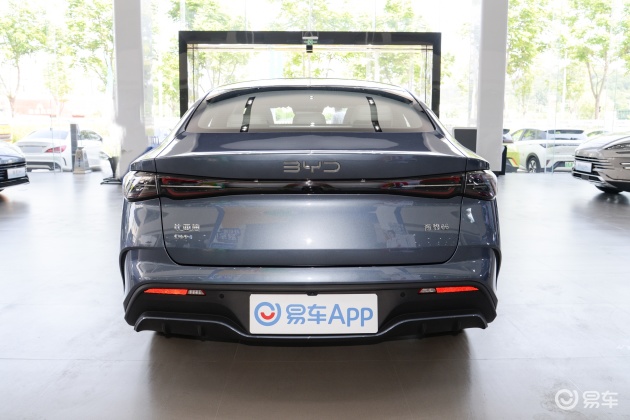
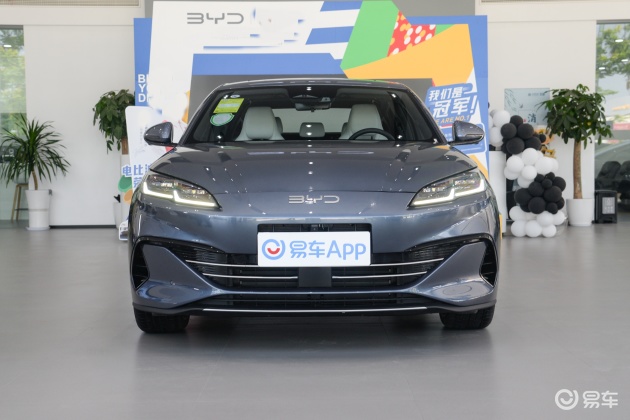
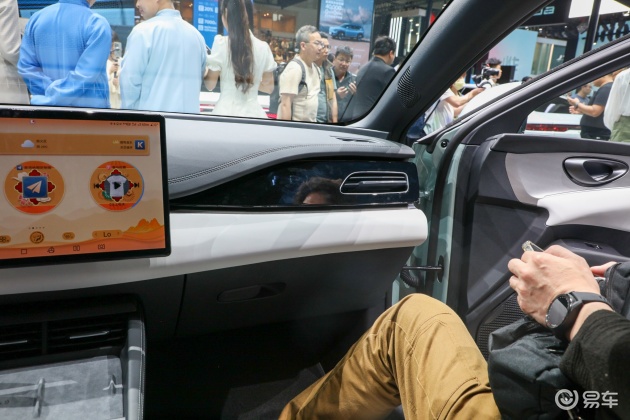
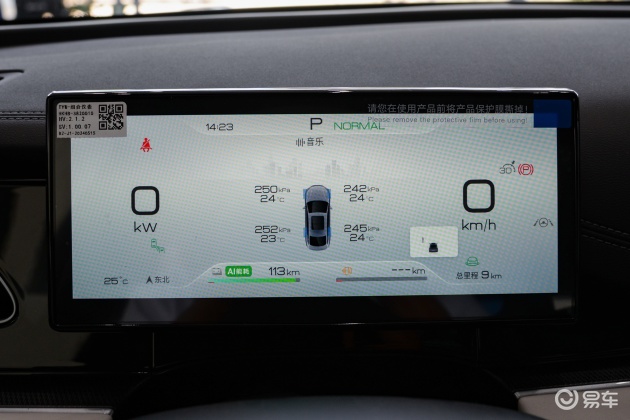
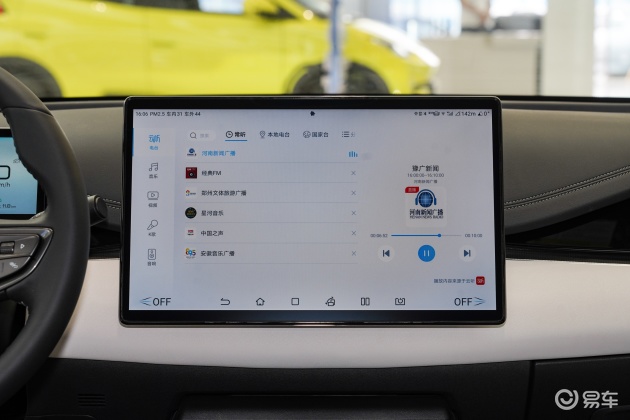
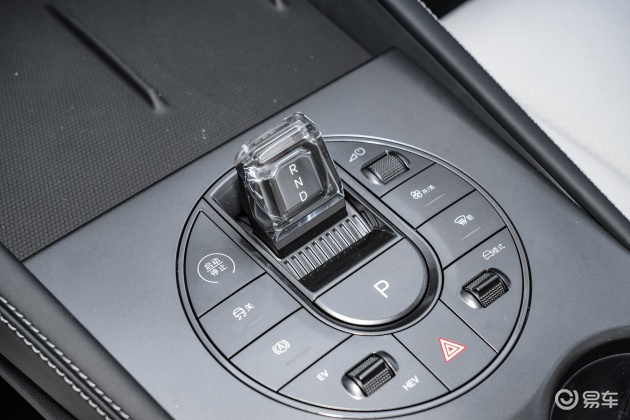
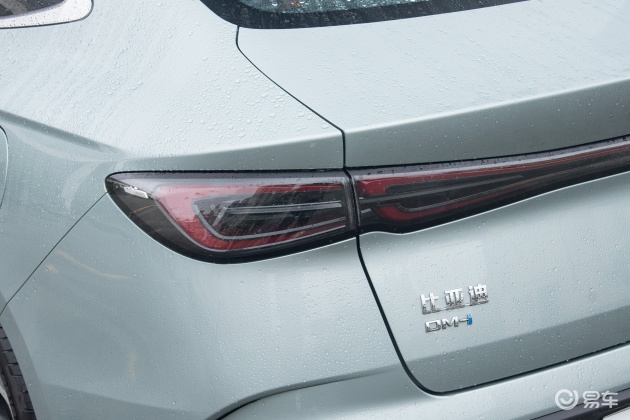
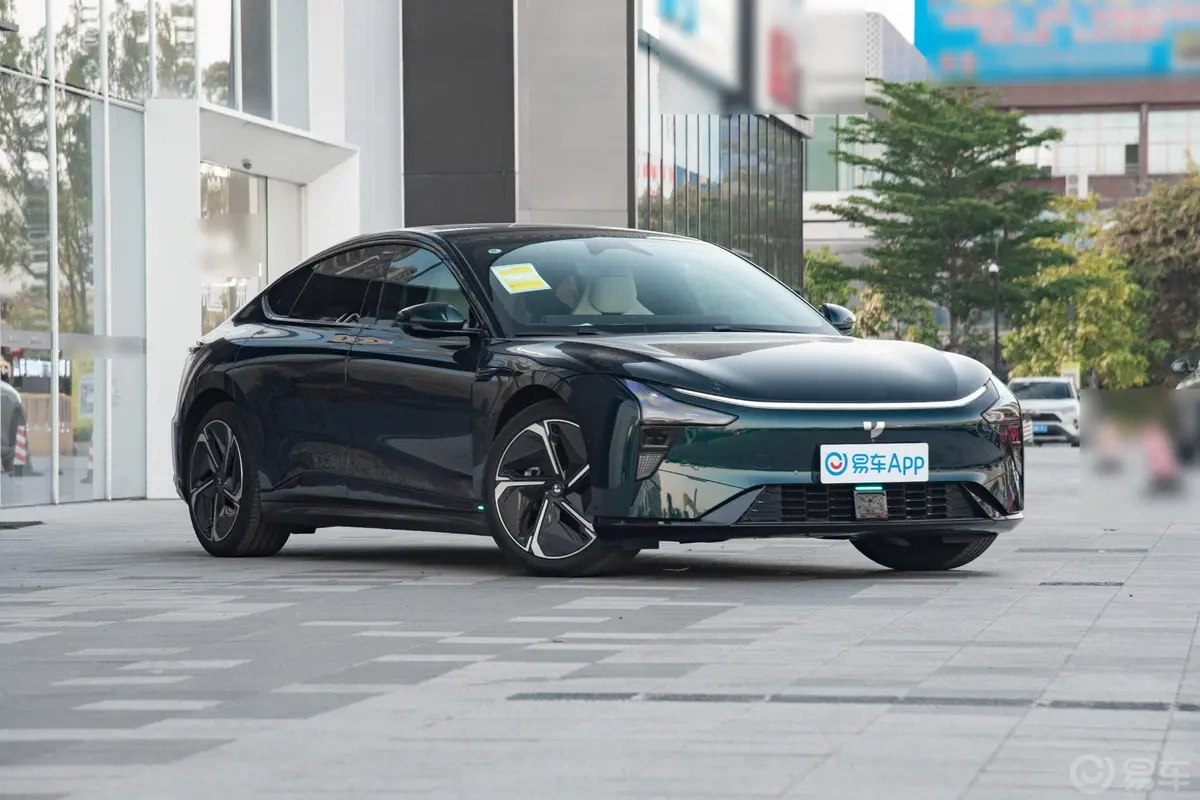
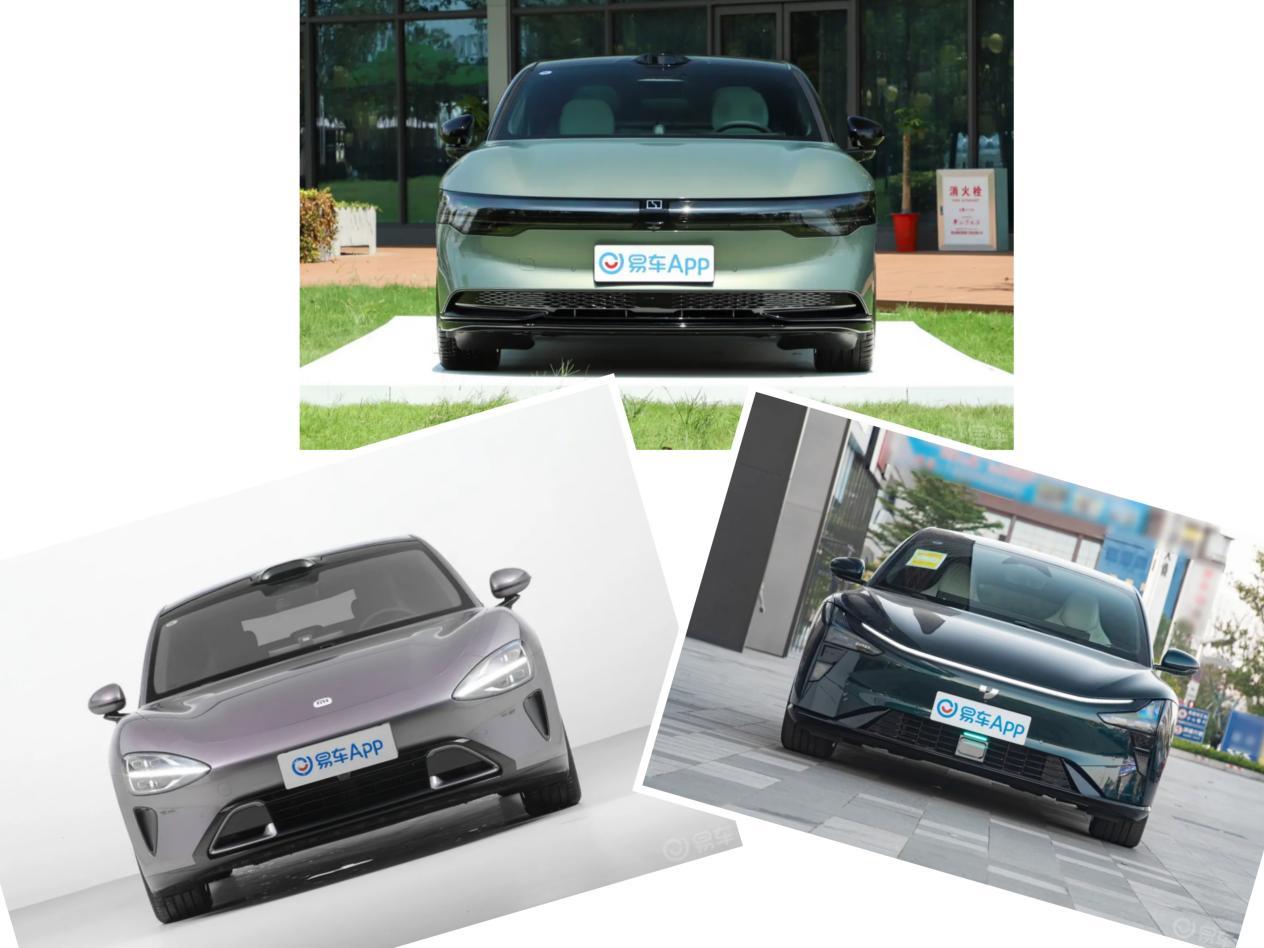 Coincidentally, the top models of these three cars with "7" in their names are all priced at 299,900 yuan. Below, let’s compare the top models of these three cars. What are the big differences?
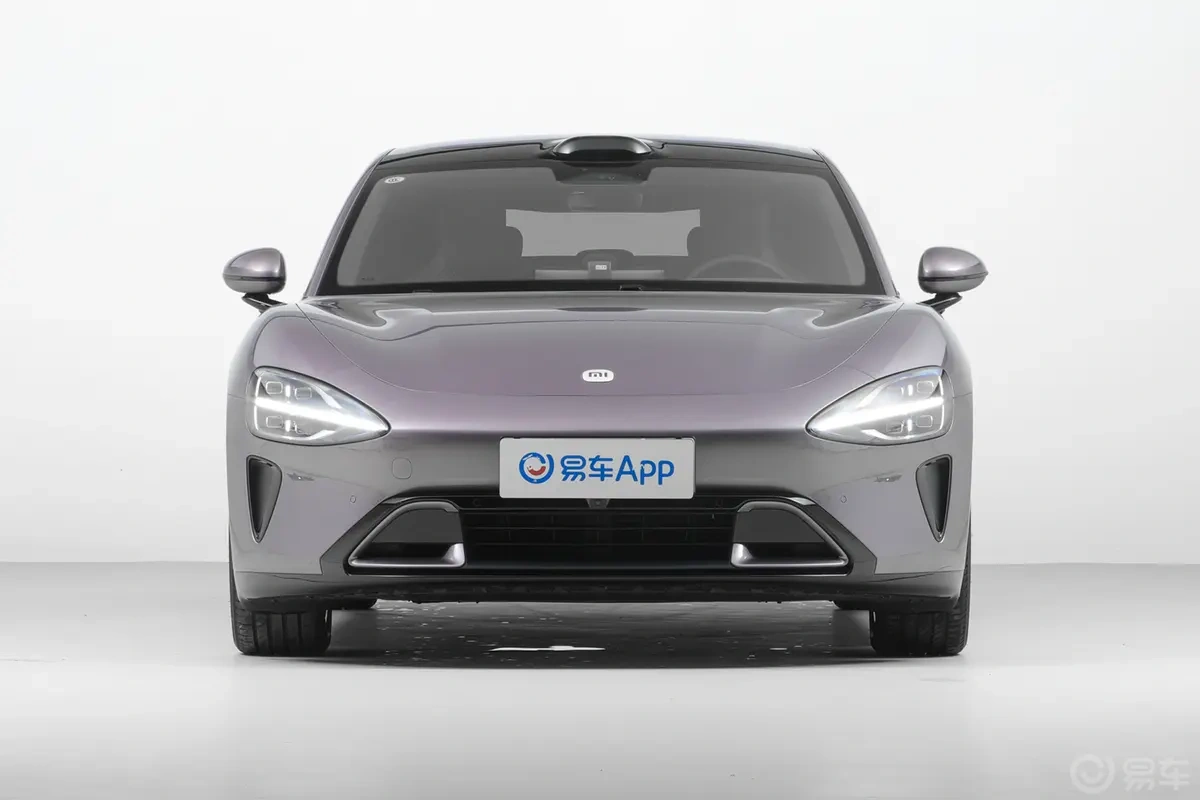
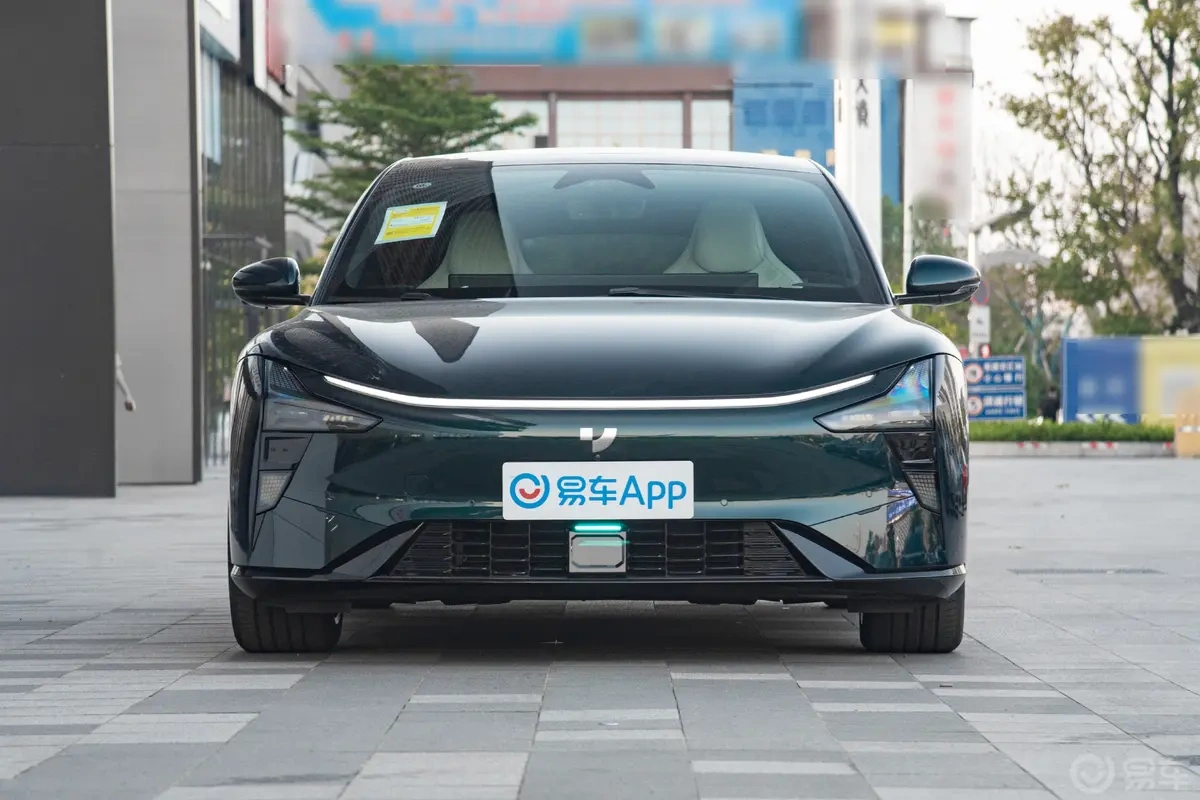 The three cars are both front induction asynchronous and rear permanent magnet synchronous dual motors. The electric motor of Krypton 007 comes from Quzhou Polar Electric, the electric motor of Xiaomi SU7 comes from Suzhou Huichuan, and the electric motor of Extreme Yue 07 comes from Weirui, a subsidiary of Geely, which is the motor supplier of most electric vehicles under Geely. The total power of the front and rear motors of Extreme Yue 07 is 530 kW, while the total power of Extreme Krypton 007 is 475 kW and that of Xiaomi SU7 is 495 kW. The gap between them is still quite large.
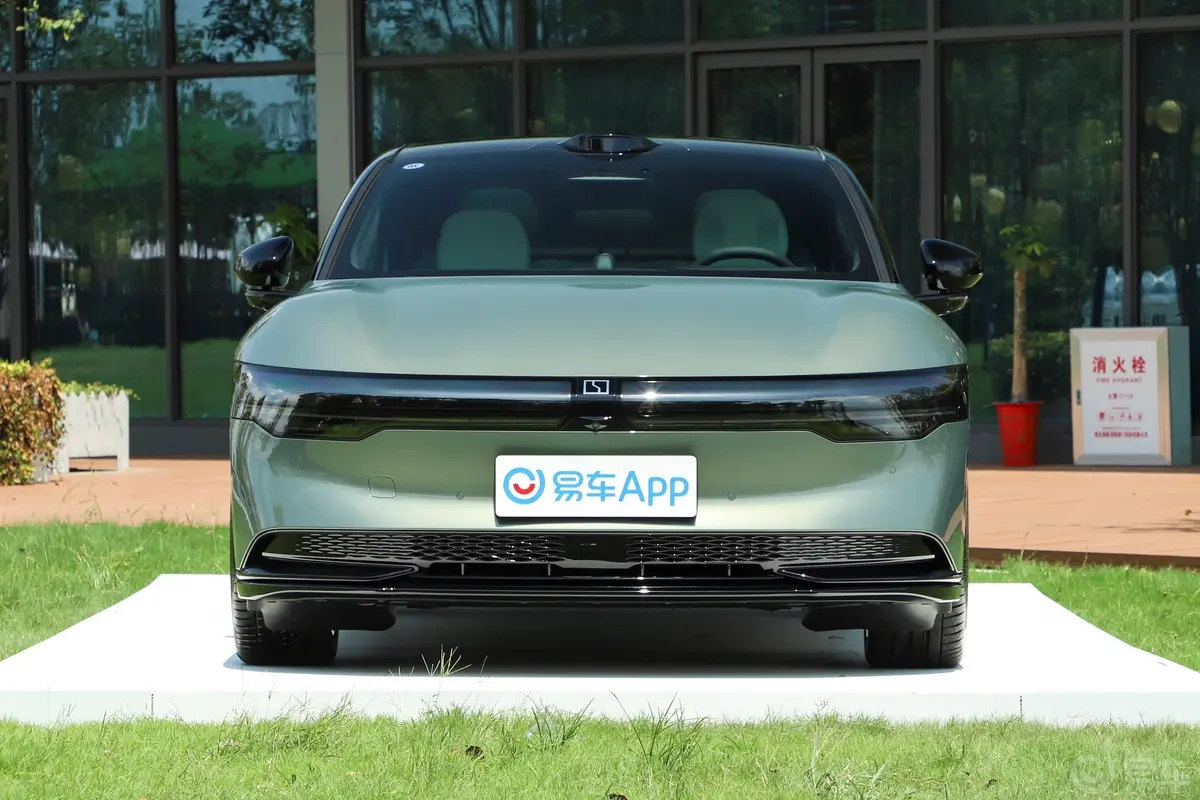 Let’s look at the endurance performance again. The three models are the same. The CLTC cruising range of the 93.4kWh battery of Extreme Yue 07 is 770km, while that of the 100kWh battery of Extreme Krypton 007 is 660km, and that of the 101kWh battery of Xiaomi SU7 is 800km.
 Not only does it have strong performance, but the overall size of the Extreme Yue 07 also exceeds that of the other two cars. The body size of 1475/3013/1710 and the wheelbase of 3013 give the Extreme Yue 07 a more comfortable driving experience in the car.
 In addition, in terms of warranty service, Extreme Yue 07 has the first vehicle owner’s lifetime warranty, Extreme Yue 07 and Extreme Krypton 007 have the first vehicle owner’s lifetime warranty, while Xiaomi SU7 only has the warranty policy of five years or 100,000 kilometers, eight years or 160,000 kilometers. Among the three cars, the warranty of Extreme Yue 07 is the most reassuring to the owners.
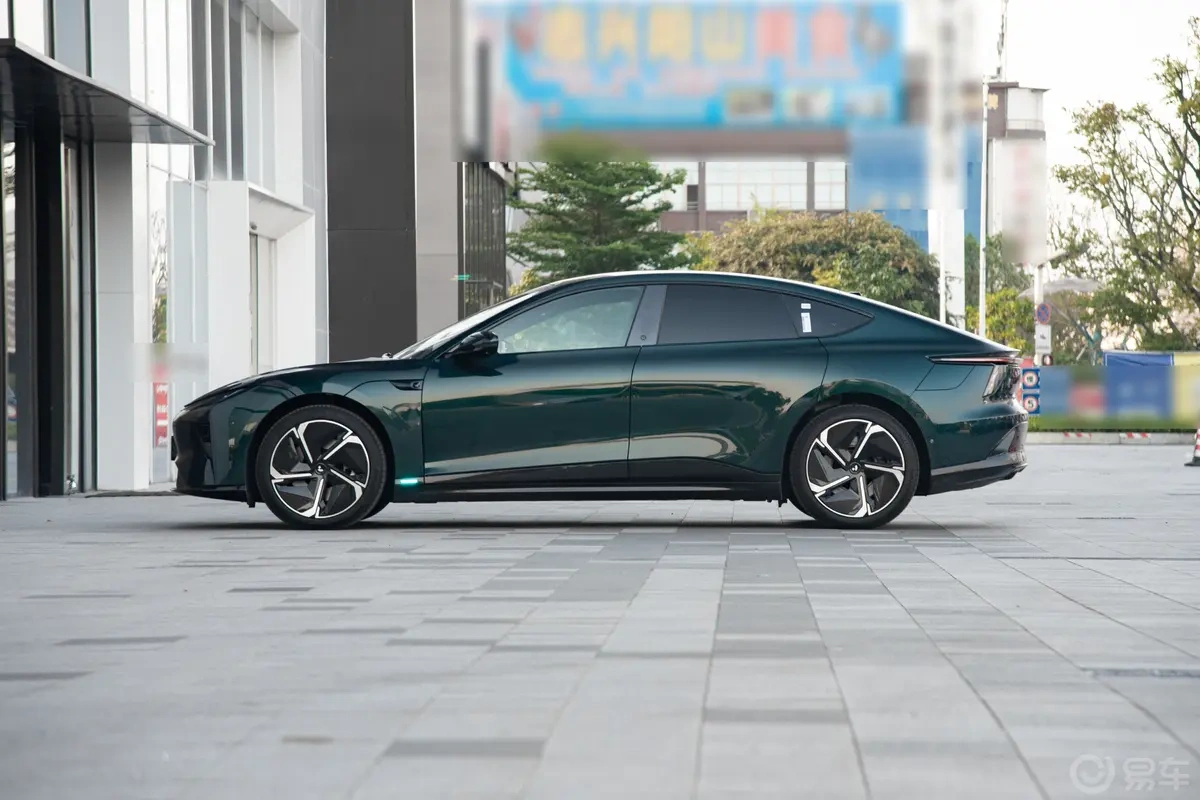 Extreme Yue 07 and Extreme Krypton 007 have front double wishbone and rear multi-link independent suspension, while Xiaomi SU7 is the front double wishbone and rear five-link suspension. The structure of multi-link independent suspension is complex, and the manufacturing process requires high requirements, so the cost is relatively high.
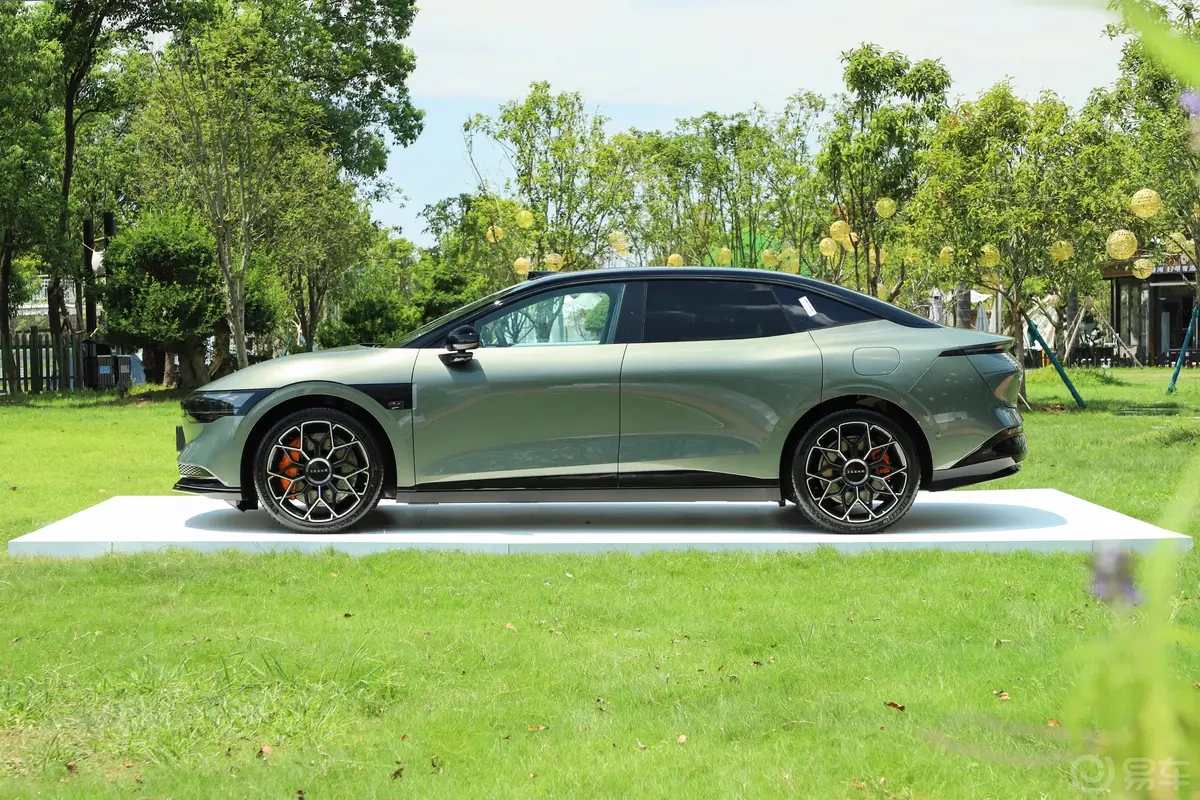 In contrast, the structure of five-bar suspension is relatively simple, the manufacturing process requirements are low, and the cost and price are relatively low. Relatively speaking, Extreme Yue 07 has better handling and comfort performance.
 In the battle between wisdom and driving, smart car robots are the first choice.
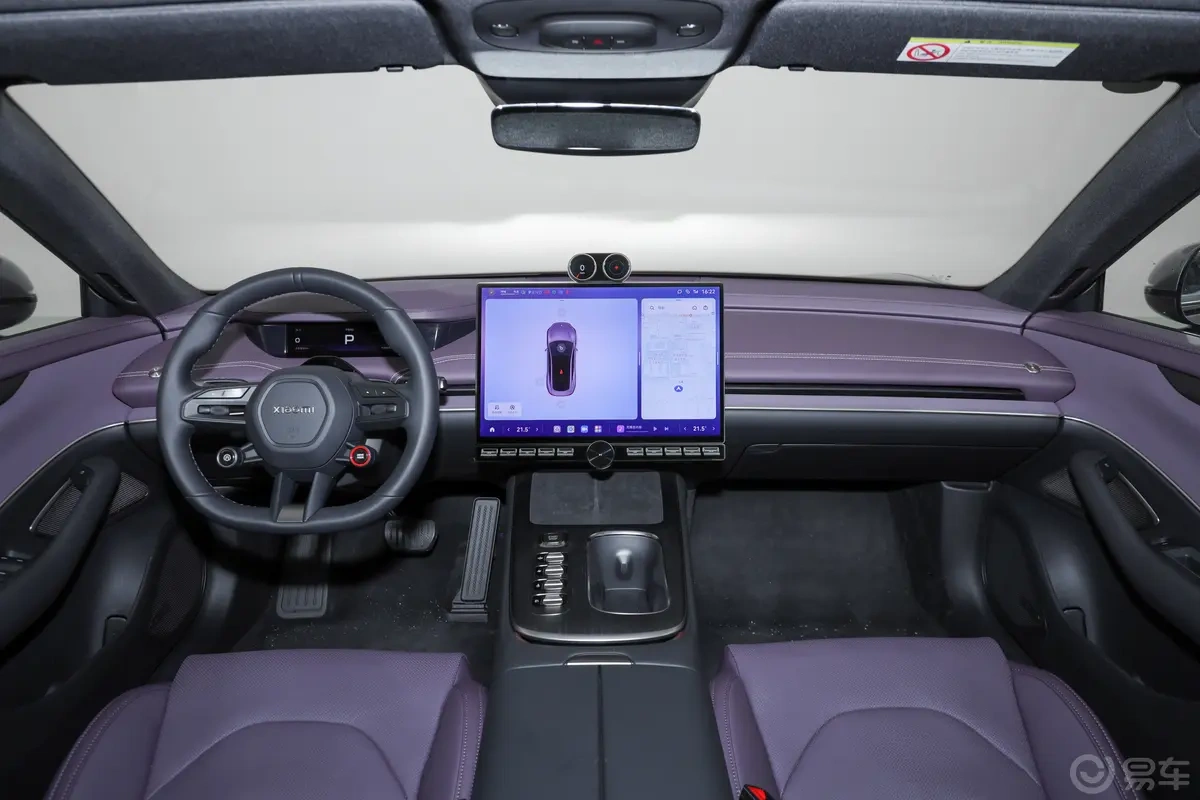
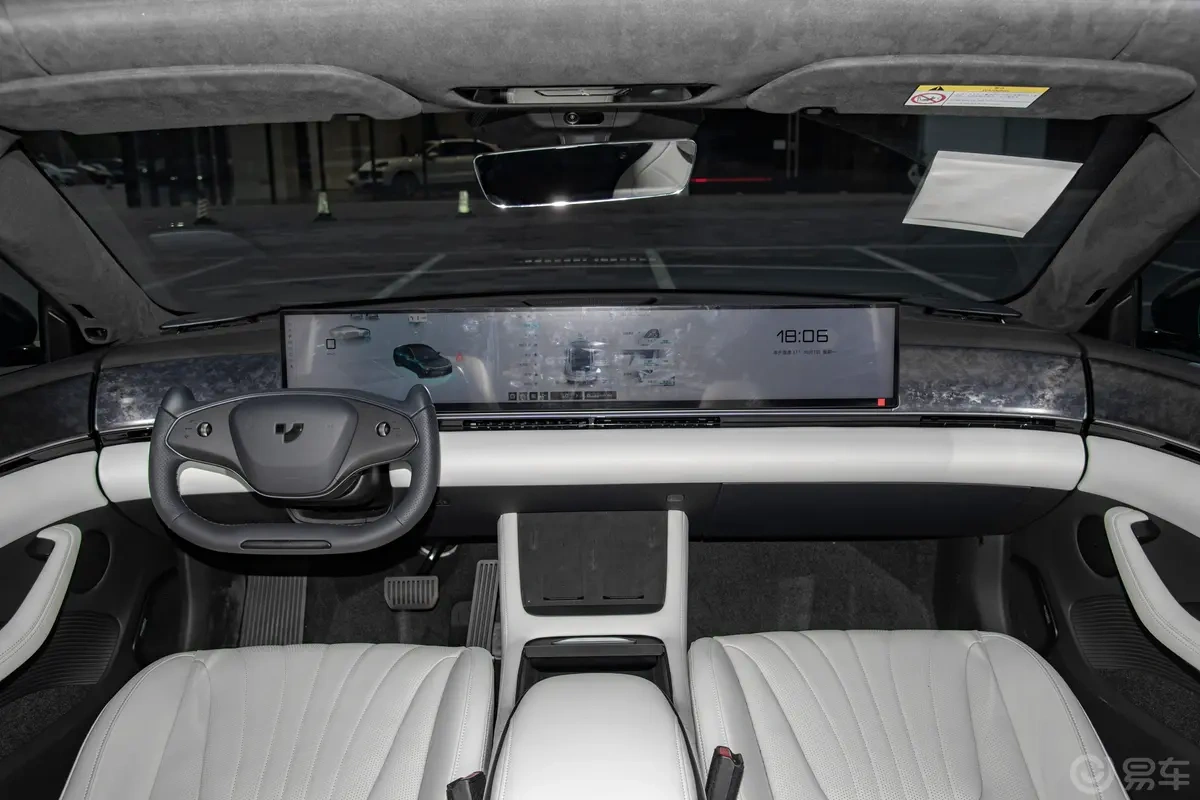 In terms of intelligent driving hardware, the three cars have extremely equivalent basic components. On this basis, the environmental awareness camera of Extreme Yue 07 is 8 million pixels, while that of Xiaomi SU7 is 3 million pixels. As we all know, the main function of the environment-aware camera is to realize the intelligent driving function. By sensing the surrounding environment of vehicles, including roads, vehicles, pedestrians, etc., the environment-aware camera can assist the automobile intelligent control system to realize the intelligent driving function. Extreme Yue 07 claims to be the only one in the world with automatic parking shift function. Based on the perception ability of intelligent driving system, it makes a fusion judgment on the obstacles and passable areas in the front and rear of the vehicle, and then allows the vehicle to output the target gear, which provides greater convenience for drivers.
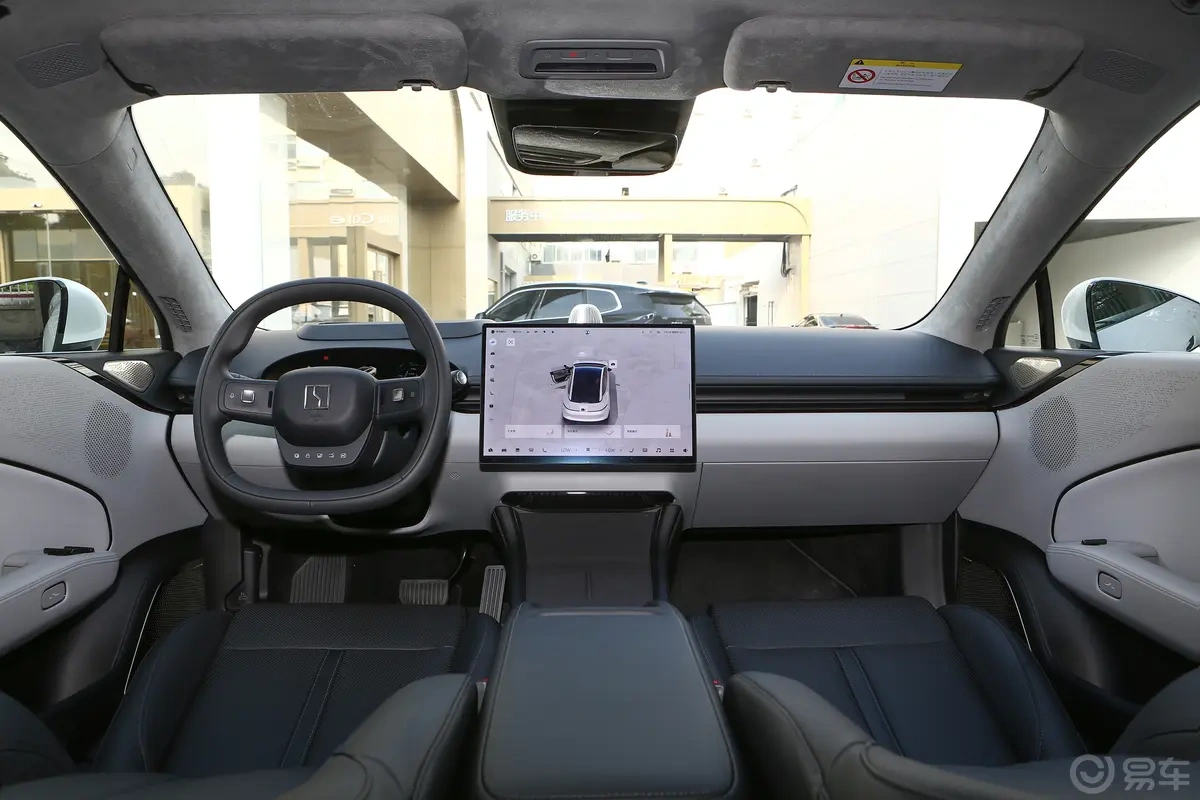 In addition, Xiaomi SU7 used three millimeter-wave radars, five for Extreme Krypton 007, nine for Extreme Yue 07, and two more cameras in the car. Because millimeter-wave radar can penetrate rain, fog and obstacles, and provide more accurate distance and speed measurement capabilities, it is more applied to the ultra-07 of millimeter-wave radar, and it also has more powerful intelligent driving assistance functions. All four doors are equipped with high-cost independent millimeter-wave radar, so the doors can automatically identify external obstacles, so as to control the opening distance and ensure that there will be no rubbing and collision when opening the doors. In winter, if the door is frozen because of freezing rain or snow, you can also take the initiative to break the ice. The maximum breaking power is above 500N, and you won’t worry about it in extremely cold areas and weather. In addition, the millimeter-wave radar can also judge the objects approaching from the rear, such as bicycles and motor vehicles outside the car, and make an early warning. It will also automatically increase the damping of the door opening and actively avoid the occurrence of danger.
 Tram circle comments: